


In December 2024, the parliament of Curaçao passed a new law, known as LOK, presented as a root-and-branch reform of the Dutch Caribbean island’s gambling regulations.
Over more than two decades, these regulations had become infamous for their laxity. The autonomous outpost of the Kingdom of the Netherlands had acquired an unenviable reputation as a leading hub for money launderers and illegal gambling operators, some willing to resort to extreme violence to protect their interests. LOK’s stated aim was to address that damaging reputation.
However, the new rules have had little effect on what happens on the island. A handful of operators left after the parliamentary vote, but many of the worst offenders stayed and secured new licences without changing their methods.
Two members of a five-person investigative team travelled to Curaçao in late July 2026 to visit sites used by offshore gambling operators and meet local sources and investigators with intimate knowledge of the industry. Operators often use prominent European sports clubs and organisations to promote their brands, despite operating illegally in EU markets.
Evidence gathered in the field and during months of research suggests that LOK has so far amounted to little more than window dressing, largely because of the local authorities’ failure to enforce the new regulations.
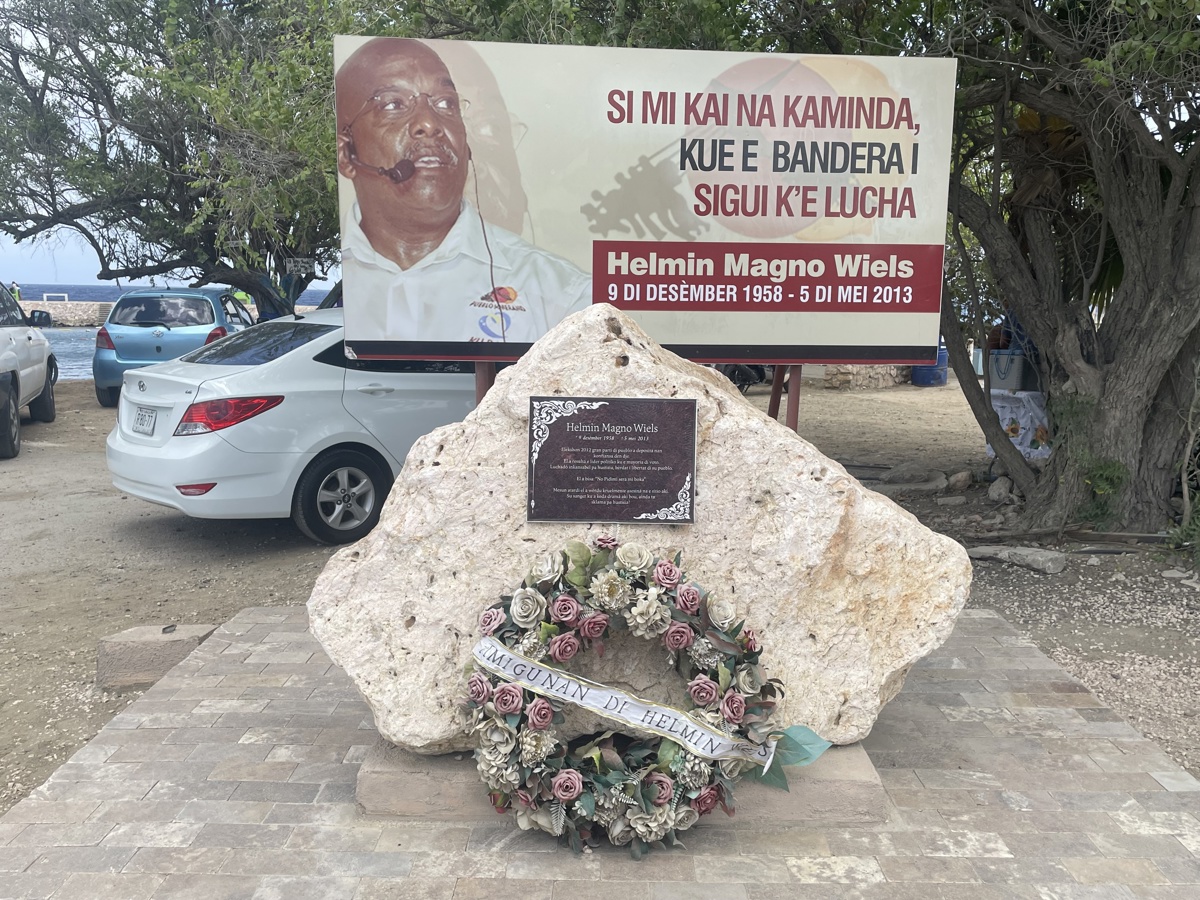
In Curaçao, the investigators found a strange, ghostly world of data centres, empty offices, unpaid winners, and a regulator unwilling to answer questions in person.
The promise that LOK would boost the local economy has not been fulfilled either. The operators are further protected by an opaque network of trusts often headed by European nationals, while the identity of their actual owners is hidden behind “straw men”.
The team found multiple examples, including in Iran, of Curaçao-licensed operators flouting LOK rules in the most blatant way without suffering the least consequence.
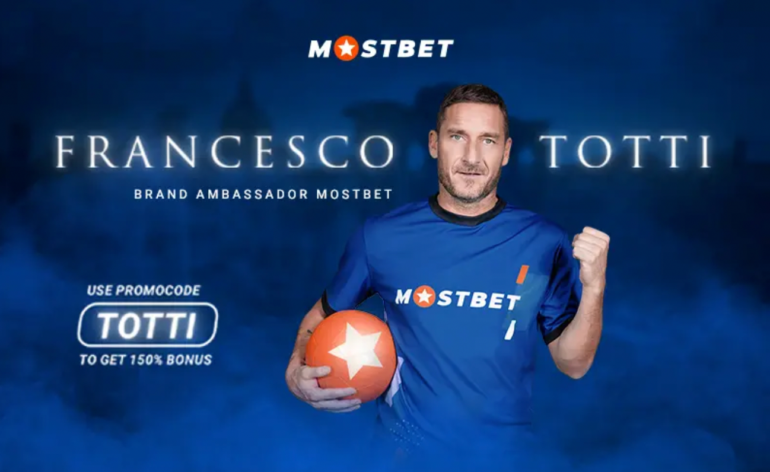
For example, Mostbet, a Russian-owned operator championed by former AS Roma star Francesco Totti, obtained a Curaçao licence under the new system, despite using hardcore, seemingly non-consensual pornography to promote its brand. Furthermore, analysis of official filings revealed that the trust which acted on behalf of Mostbet was the honorary consul of Denmark in Curaçao.
The stark conclusion is that, despite the pressure put on by the Netherlands and local campaigners, Curaçao remains one of the world’s leading enablers for some of the shadiest and most controversial global actors in the gambling industry.