

A journalism grant can look straightforward on paper: money comes in, reporting gets done and expenses are paid. For freelancers working across borders, the reality can be much messier.
A grant may be taxed differently depending on where the recipient lives, how they are registered, and which part of the money pays for their own work. One person may receive funds for an entire team, then distribute them across several countries. Invoicing requirements, sales tax rules and reporting obligations can all vary.
That was the starting point for “The Freelancer Files”, a hands-on workshop led by Cora María Moyano Reymundo, finance manager at Arena for Journalism in Europe, at IJ4EU’s recent UNCOVERED Conference in Budapest.
Moyano organised the workshop to help freelancers navigate this thicket of financial and administrative requirements alongside their reporting.
The bad news first: there is no universal fix. The good news is that some simple habits can help prevent costly surprises.
“I don’t have the tax advice of your life,” Moyano told participants. “And we’ll try to sort it together, because there is nothing in one country that is exactly the same in the next.”
Her main recommendation was to find an accountant who understands freelancers, journalism and donor funding.
“So my first piece of advice is to find a good accountant who understands what you do and the type of income you receive. Not all accountants understand grants, and these get taxed in very different ways in different countries.”
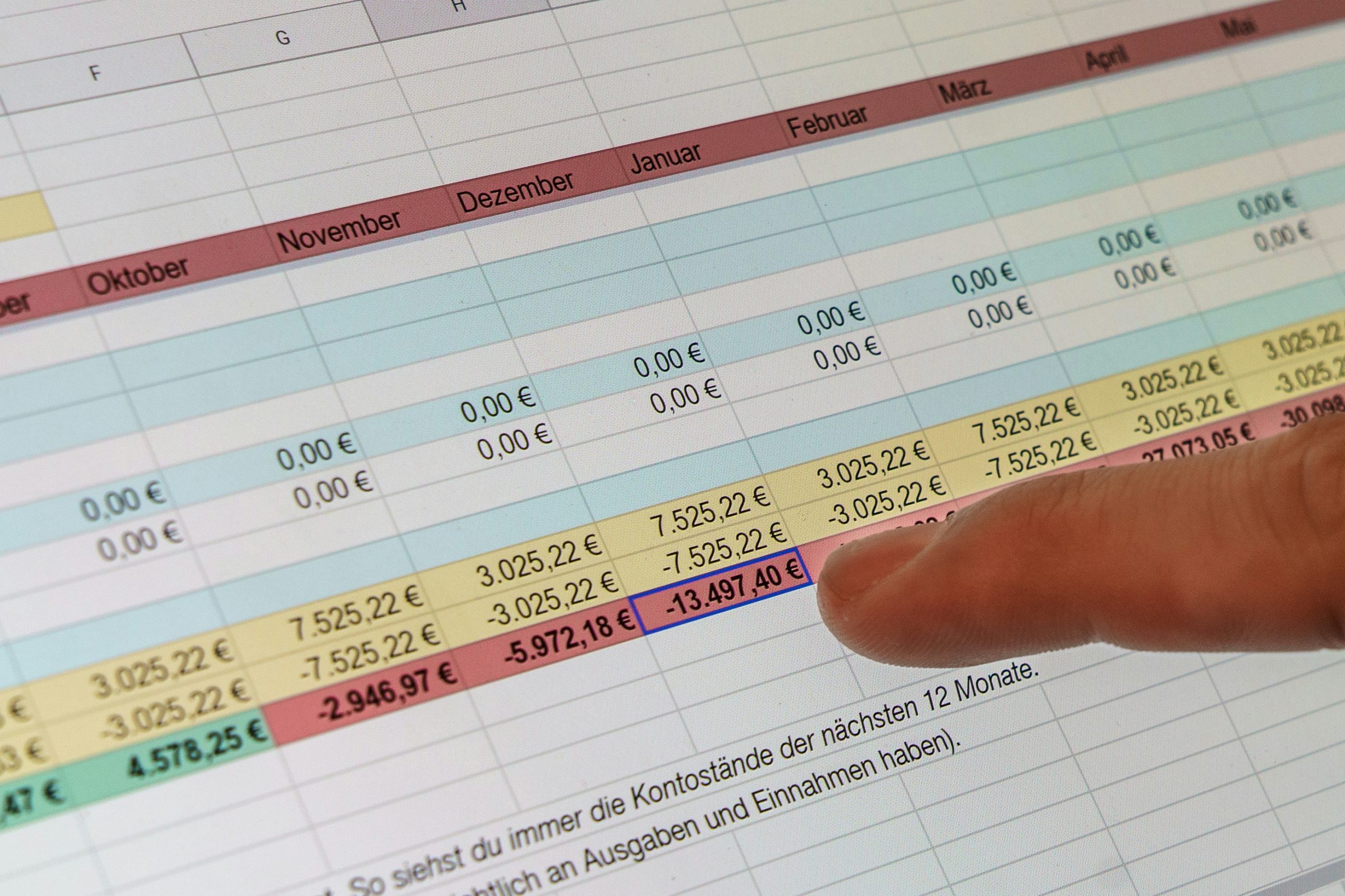
Moyana provided a useful spreadsheet that combines a budget template with notes on grant and tax administration, plus country-specific information for journalists receiving grants.
Build a budget that reflects the real work
A grant budget should be a realistic estimate, not a fiction designed to fit a funder’s template.
Moyano cautioned against artificially increasing the number of working days in a project to get around caps on daily rates. That may make the numbers work for one application, she said, but it can distort the real cost of the project and make future budgeting harder.
Instead, freelancers can benchmark rates by asking peers what they charge, or work backwards from their monthly expenses and the number of paid working days they can realistically expect.
Think through the investigation from start to finish and include likely costs for subscriptions, specialist help, travel, accommodation, translation, legal support and other expenses.
Moyano also suggested budgeting for a consultation with an accountant where funders allow it. Even a modest amount, she said, can help a team understand the tax consequences before grant money starts moving across borders.
Do not assume a grant is tax-free
One of the most important warnings was that the word “grant” does not automatically mean the money is exempt from tax.
“The fact that it’s called a grant doesn’t mean that it’s tax-exempt because it can be paying for your work, your time,” Moyano said.
In some jurisdictions, the portion that pays for a freelancer’s labour may be treated differently from reimbursements for travel or other project expenses. Things become more complicated when one team member receives the whole grant and then transfers shares to colleagues in other countries.
Moyano offered no single rule for these situations. Instead, she repeatedly urged participants to seek country-specific advice before making assumptions about how the money would be treated.
Save everything — immediately
Good record-keeping was the workshop’s most practical recurring theme.
“The key advice anyway, it’s keep everything or take pictures of everything,” Moyano said. “Do it at the very second that you had an expense.”
Receipts and proper invoices are generally more useful than entries on bank or credit-card statements because they show what was actually purchased and, where relevant, who travelled or what the expense was for.
Moyano suggested creating a simple system for saving and organising receipts as expenses arise — for example, emailing them to yourself and grouping them by trip, quarter or project — rather than reconstructing everything months later.
She also recommended keeping records for at least five years, noting that EU-funded grants can be audited and that auditors may request invoices, timesheets and other supporting documents.

Track your time, not just your money
Freelancers often underestimate how much work a project consumes, particularly when meetings, administration and background research are scattered across weeks or months.
Moyano recommended time-tracking tools such as Toggl or Clockify to build a more realistic picture of how long each project takes. That can improve future budgets and help show whether a supposedly well-paid grant is still worthwhile once all the hours are counted.
It can also help demonstrate the time required to lead a project. Participants discussed the often-overlooked work of coordinating a team, communicating with funders, issuing payments and gathering documents for reports.
A participant noted that documentary-film budgets sometimes include an overhead allocation of about 10% for management and bookkeeping. Moyano said such costs could be made explicit in a budget, provided they were clearly explained and reasonable.
Tell funders when the plan changes
Budgets are estimates, and investigations rarely unfold exactly as expected. Travel may cost less than planned; legal advice may cost more. A reporting trip may have to be repeated, or an unexpected data request may arise.
Small budget variations may be acceptable, Moyano said, while larger changes or new budget lines may require approval from the funder.
The broader point was that grant reporting should be treated as an ongoing process rather than a final administrative scramble. Keep the original budget, record what changes, retain the supporting documents, and explain significant differences between planned and actual spending as they arise.
For freelancers who would rather be reporting than reconciling invoices, none of that makes financial administration enjoyable. But the workshop’s message was that a little structure early on can prevent much bigger problems later — especially when the money, the team, and the tax authorities are all in different countries.
Access Moyano’s budget spreadsheet for detailed guidance on grant and tax administration, including country-specific guidelines.