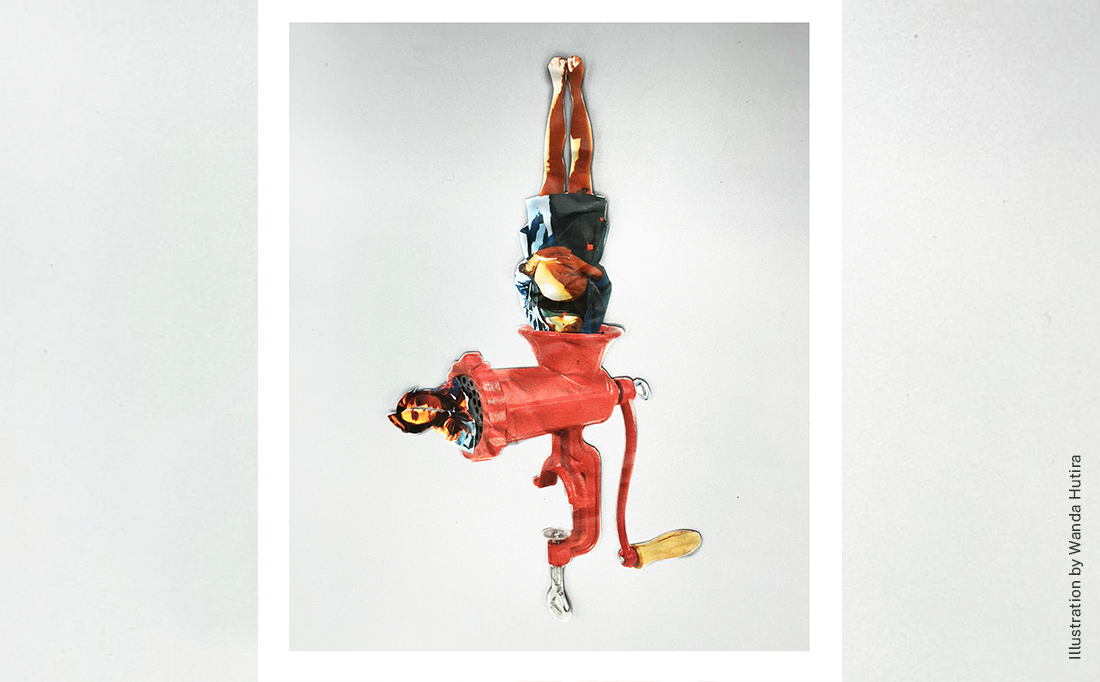


“People need to understand that mothers are not cattle for slaughter, and a maternity ward is not a slaughterhouse,” writes Sara, a 23-year-old who gave birth in Romania in 2023.
Sparked by a crowdsourcing effort that gathered more than 660 testimonies from women in Romania alone, this cross-border investigation reveals that for many, childbirth is experienced not as care, but as trauma.
Women describe procedures carried out without informed consent — including unnecessary episiotomies and suturing without anaesthesia — alongside verbal humiliation and physical abuse. These accounts point not to isolated medical errors, but to systemic violations of human rights.
The reporting identifies a disturbing pattern across three countries — Romania, Croatia and Poland — rooted in post-communist medical cultures marked by rigid hierarchies and the dehumanisation of women. Obstetric violence has become normalised within hospital systems that prioritise institutional convenience over maternal autonomy.
This regional “lottery of care” is compounded by limited midwife autonomy. In Romania, for example, legal frameworks often prevent midwives from practicing independently, contributing to some of the highest Caesarean section and infant mortality rates in the EU.
The consequences are profound. Nearly a quarter of surveyed women in Romania said their birth experience was so traumatic that they decided not to have more children — a finding echoed in testimonies from Croatia and Poland.
In Poland, where around one in 15 children is now born to migrant mothers, the lack of culturally sensitive care and the use of coercive interventions leave these women particularly vulnerable. Their experiences underscore how maternal care quality is closely tied to social status, ethnicity and legal standing.
By bridging the gap between official medical narratives and the lived realities of thousands of women, the investigation breaks institutional silence and calls for a fundamental rethinking of how maternity care systems treat those they are meant to serve.