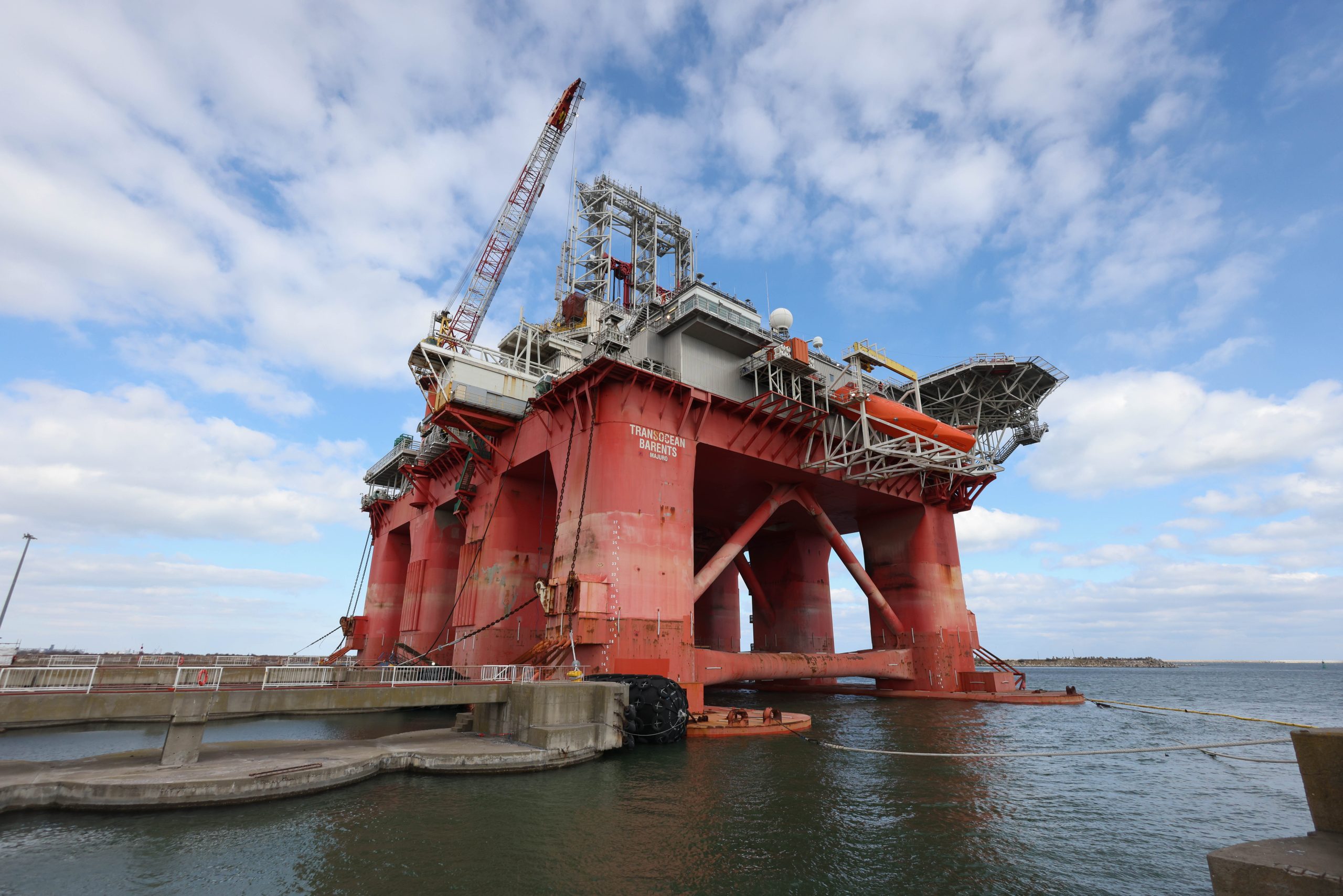


Off the coast of Romania, nearly 1,000 meters below the Black Sea’s surface, the Neptun Deep gas drilling project promises to turn the country into the largest gas producer in the European Union. Just south of Neptun Deep, Bulgaria’s Han Asparuh gas field is in the final exploration phase and following a similar trajectory. The energy giant OMV has a 50% stake in both projects.
Since Russia’s invasion of Ukraine, energy independence has been a hot topic. The war disrupted long-standing gas supply routes from Russia, forcing European governments to rethink their reliance on external suppliers, and pushing gas to the top of national agendas after years emphasising renewable sources. Although the idea of drilling for gas in this area of the Black Sea has been explored for decades, it took on new importance after 2022 as a way to secure domestic supplies.
But beneath the geopolitical urgency, there is a knowledge gap. The immediate and long-term environmental implications of developing the Neptun Deep and Han Asparuh projects remain less clear. Environmental groups and independent researchers point out that the deep-water ecosystems in the project area are poorly studied and the environmental impact assessments for Neptun Deep contain major issues.
The Black Sea is already one of the most polluted bodies of water in Europe. The combined effects of the war in Ukraine, agricultural runoff, industrial pollution and decades of overfishing have weakened the sea’s ability to take on additional stress. And once the gas is extracted and burned for fuel, it could add as much as 209 million tonnes of CO2 equivalent over 20 years — a much higher figure than that included in Neptun Deep’s Environmental Impact Assessment, which claims that the project will have a carbon-negative footprint.
This cross-border investigation explores how the geopolitics of gas extraction in the Black Sea complicate environmental oversight and public scrutiny.