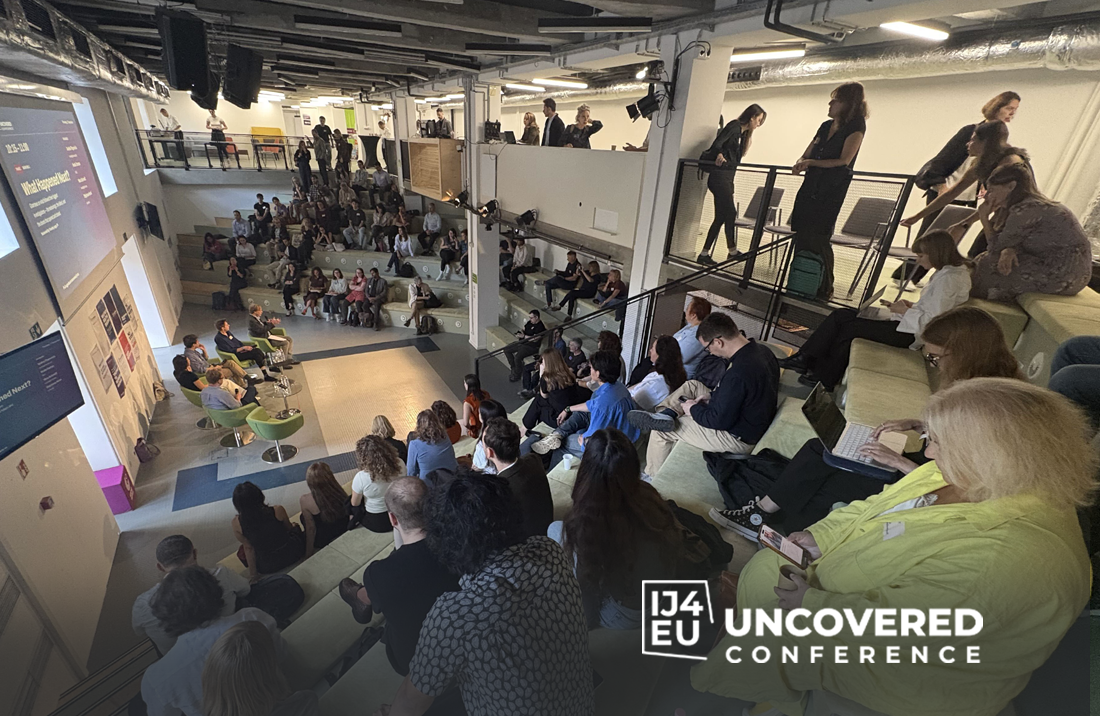


Investigative journalists from across Europe and beyond gathered in the Hungarian capital on September 17 and 18 for UNCOVERED 2026, the annual conference of the Investigative Journalism for Europe (IJ4EU) programme. The event brought together reporters, editors and media experts to examine the pressures facing cross-border journalism and the practical challenges of doing it.
Around 150 participants from 32 countries attended the sixth edition of the conference, hosted by Goethe-Institut Hungary, for a day and a half of panels, workshops, mentoring and exchanges on subjects ranging from government pressure and journalist safety to newsroom sustainability, freelance working conditions and the impact of major investigations.
At the centre of the programme was a question that ran through much of the conference: how can investigative journalists work across borders, withstand mounting political and financial pressure, and produce reporting that leads to meaningful change?
Here is a brief recap of UNCOVERED 2026, told through pictures.
Straight to the hard questions
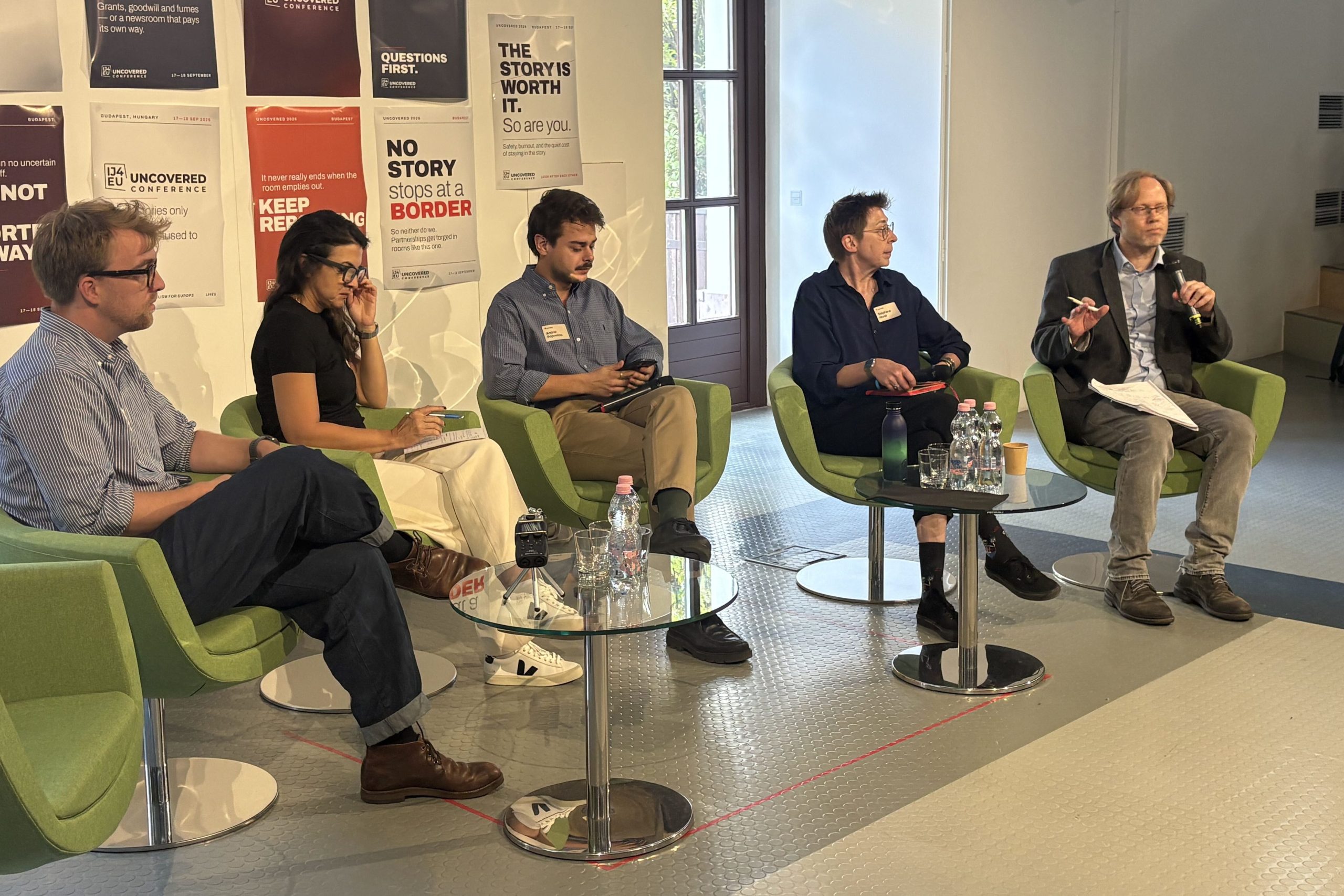
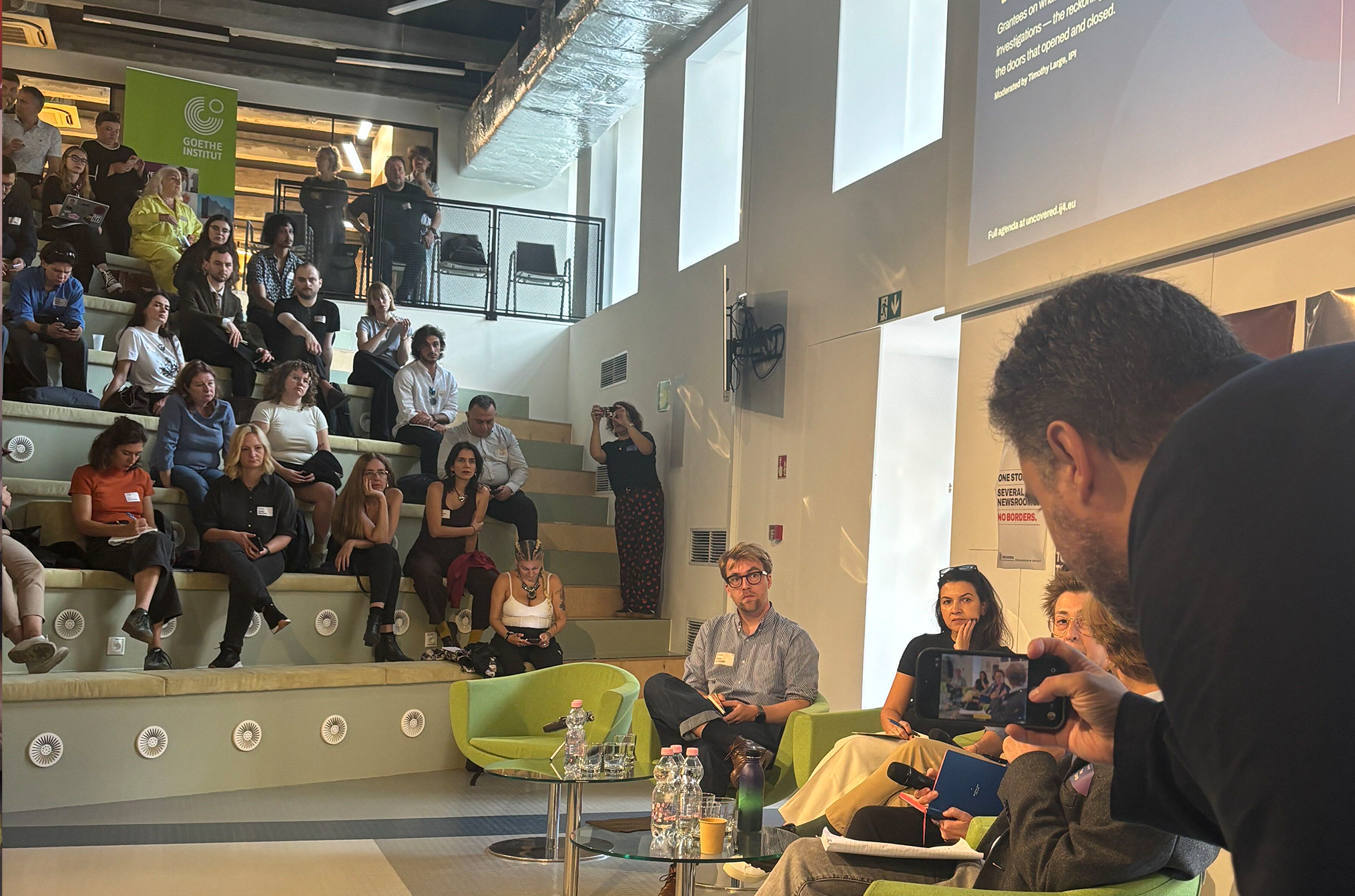
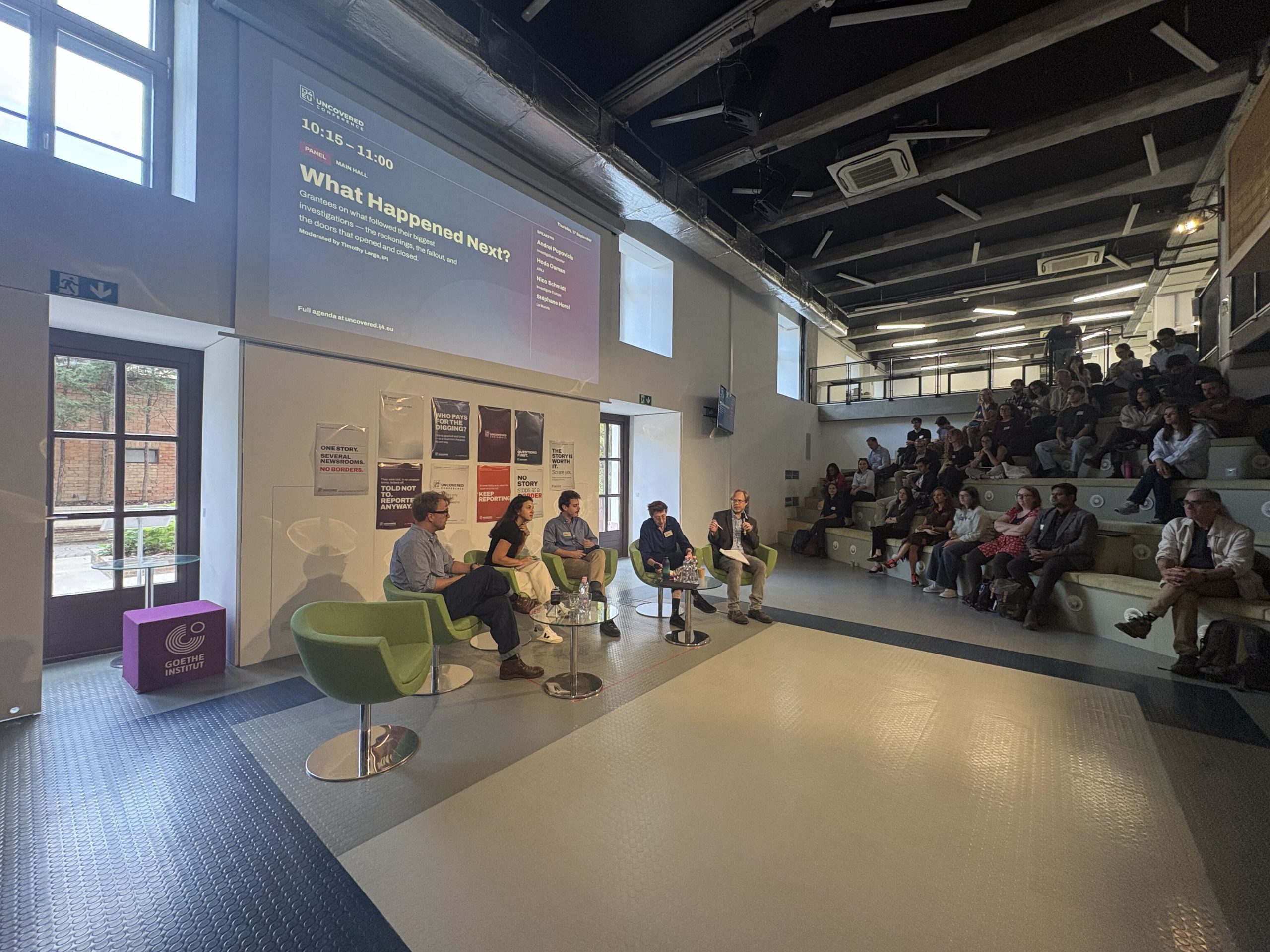
Titled “What Happened Next?”, the first session went straight to a question every newsroom chasing accountability has to grapple with: what actually counts as impact, and how do we measure it?
Moderated by Timothy Large, director of journalism programmes at the International Press Institute (IPI), the discussion brought together freelance investigative reporter Andrei Popoviciu; Hoda Osman, executive editor of Arab Reporters for Investigative Journalism (ARIJ); Stéphane Horel, an investigative journalist at Le Monde; and Nico Schmidt, an investigative journalist at Investigate Europe.
They shared what followed some of their biggest investigations: the reckonings, the fallout, and the doors that opened and closed. The investigations they discussed were, respectively, Europe’s Mercenary Recruitment Network, The Gaza Project, The Forever Lobbying Project and Scam Europe.
The cost of the story, the courage to keep going
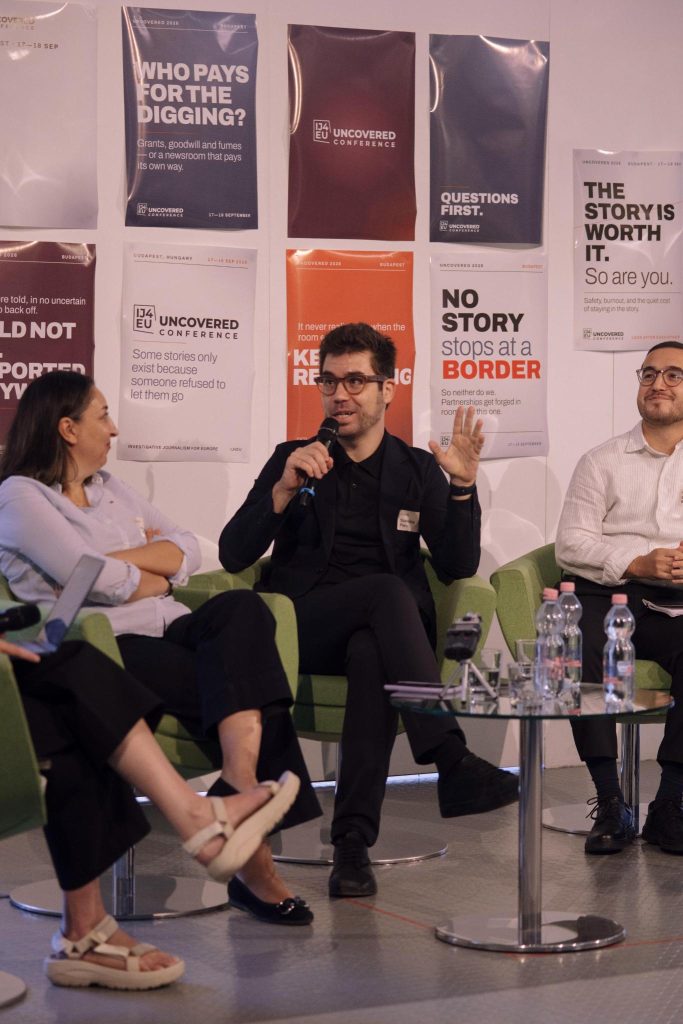
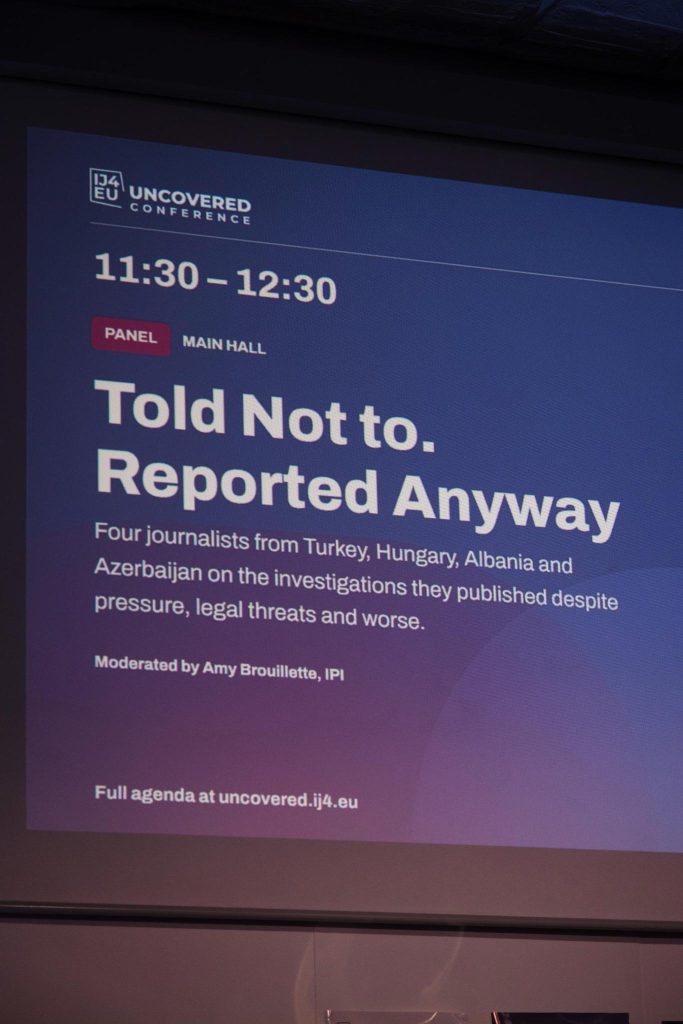
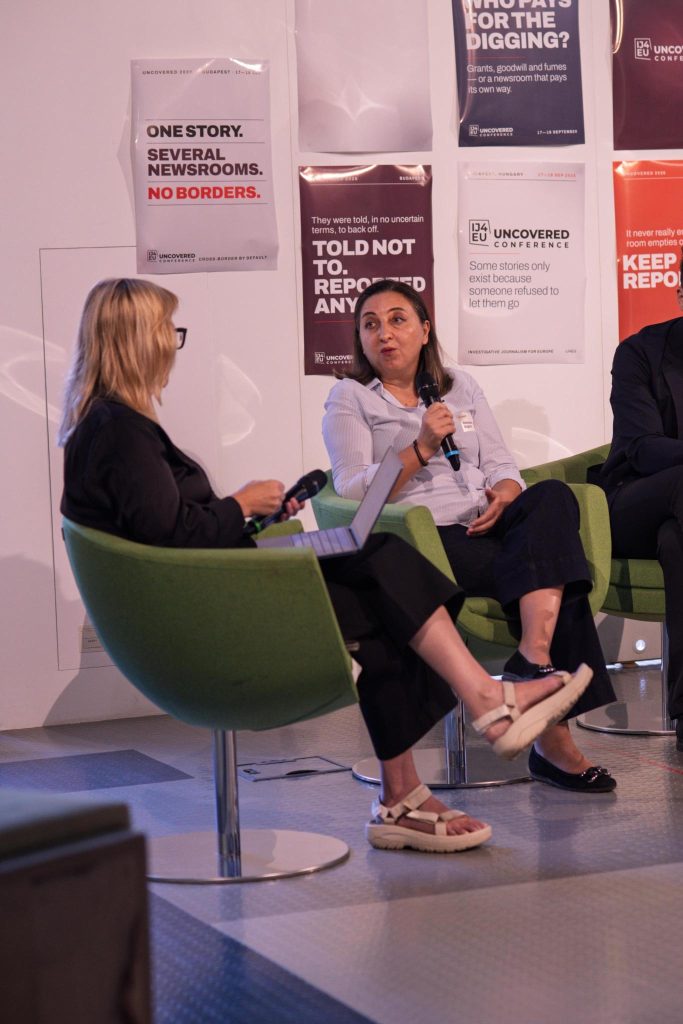
Reporters from Turkey, Hungary, Albania and Azerbaijan described what it means to keep publishing after governments, courts and other powerful actors make clear they want them to stop.
Moderated by Amy Brouillette, director of advocacy at IPI, the session brought together Aleksandra Bogdani of BIRN Albania, Doğu Eroğlu of Ortak in Istanbul, Budapest-based Szabolcs Panyi of VSquare.org and Orkhan Mammad of Meydan TV, Azerbaijan’s largest independent media outlet. Their discussion focused on the personal and professional cost of continuing to investigate in the face of political pressure, legal threats and, in Mammad’s case, exile.
Panyi, whose reporting on Hungary-Russia ties led to accusations of espionage against him, described the shrinking space for independent scrutiny in Hungary.
“There was no one left, just journalists who were left in the country who could reveal the truth,” he said.
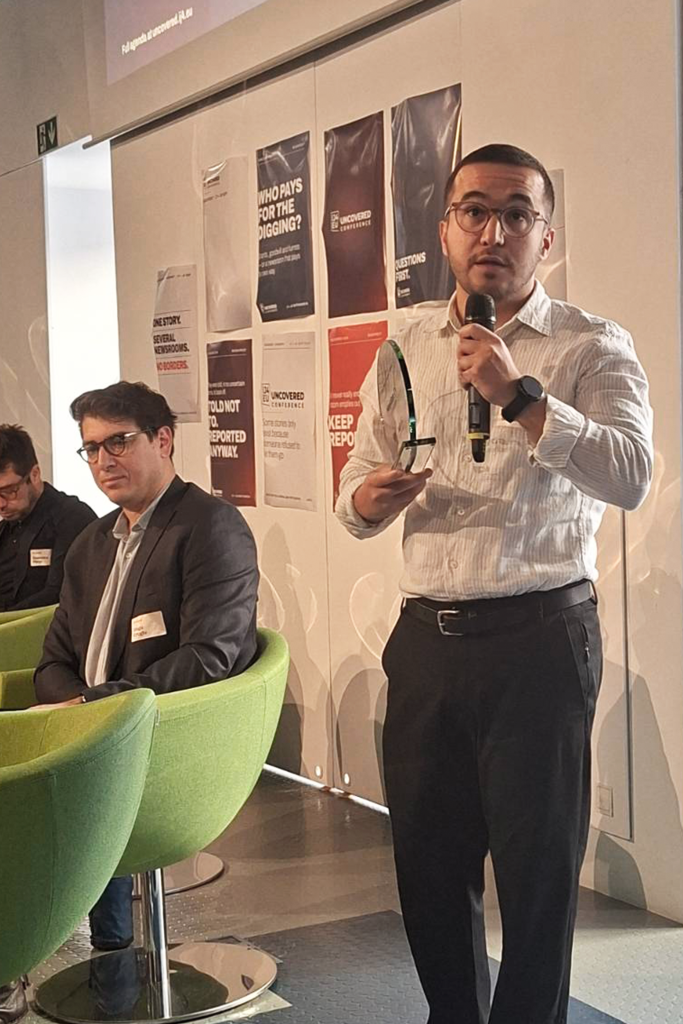
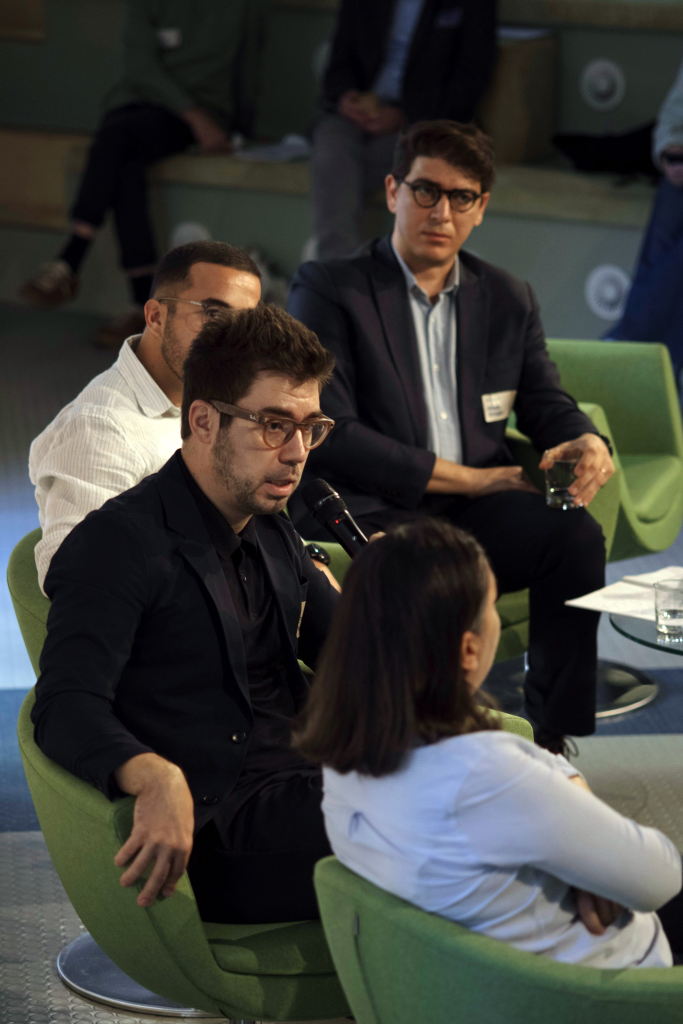
Mammad spoke about Meydan TV’s forced exile after a crackdown in Azerbaijan and about continuing to report on a country he cannot safely return to. He recalled a message from his editor-in-chief, sent from prison: “You must continue your work.”
Across the four accounts, the session returned to the same question: what makes journalists keep going when the costs of doing so become personal?
Defending the beat
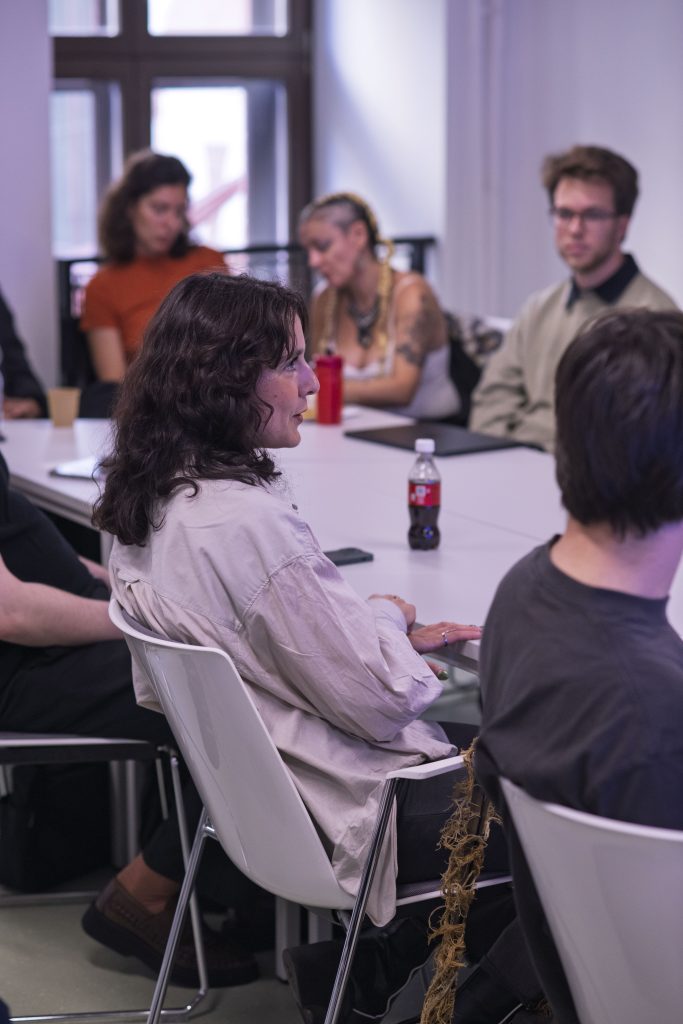
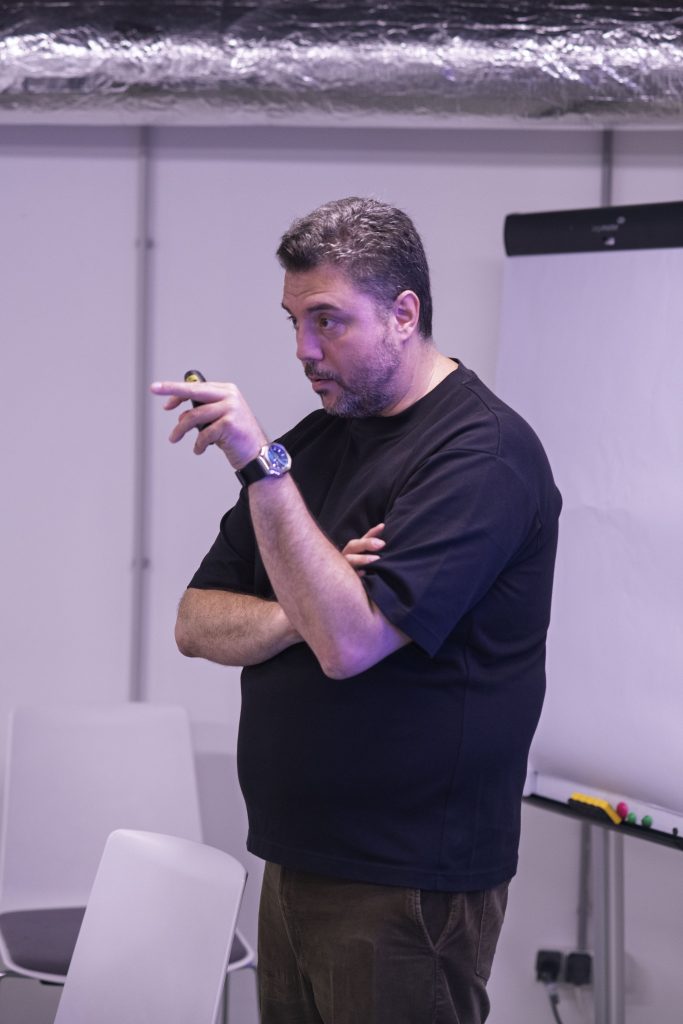
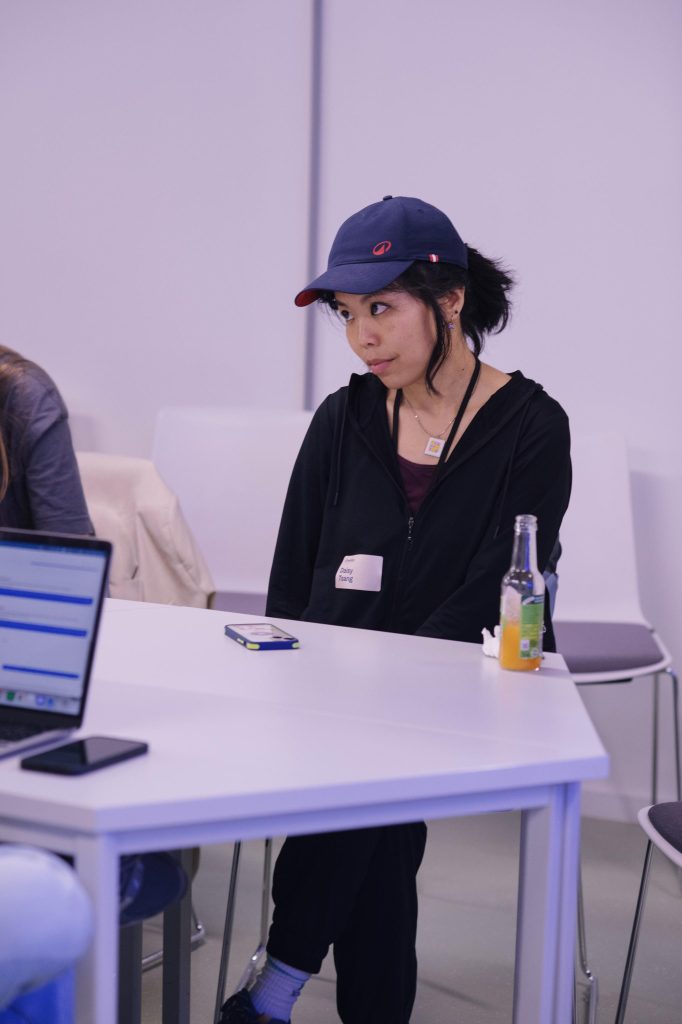
The threats facing investigative journalists do not end with government pressure or legal action. Corrupt actors, extremist groups and other hostile networks increasingly target the reporter as well as the story.
In a hands-on workshop, Javier Luque, head of digital media and online safety at IPI, drew on a decade of tracking attacks on journalists to help participants identify their own digital vulnerabilities, assess incoming threats and develop counter-tactics.
The session focused not only on how to keep reporting and publishing safely, but also on how to limit the emotional, psychological and professional toll that targeted harassment can take on journalists and their work. Participants left with practical safety strategies and protocols they could adapt to their own reporting.
Seventeen investigations, three sessions
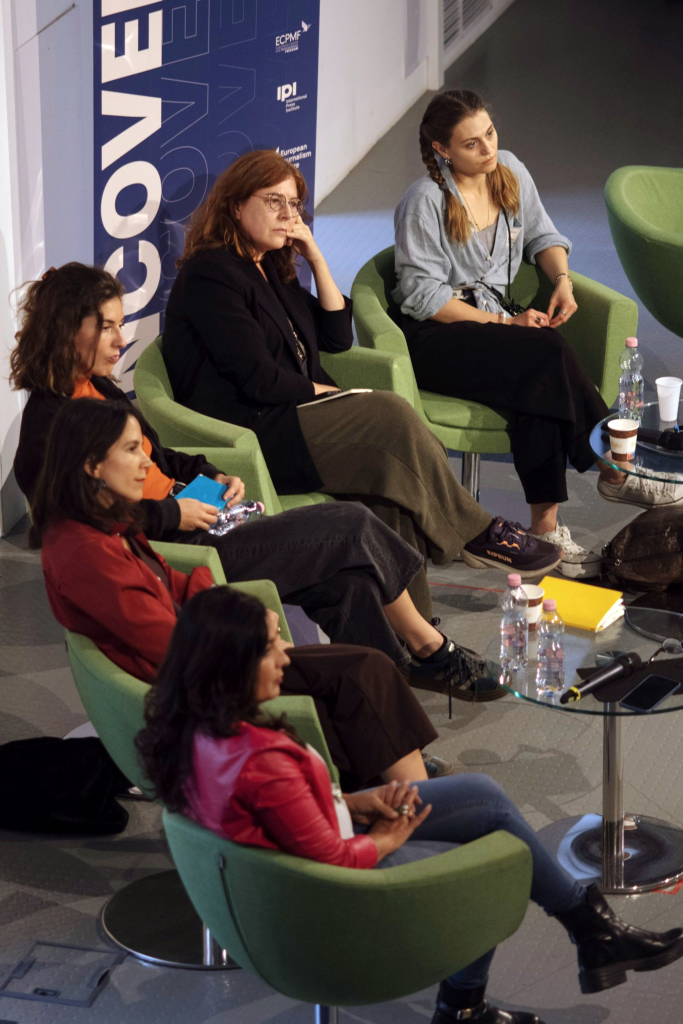
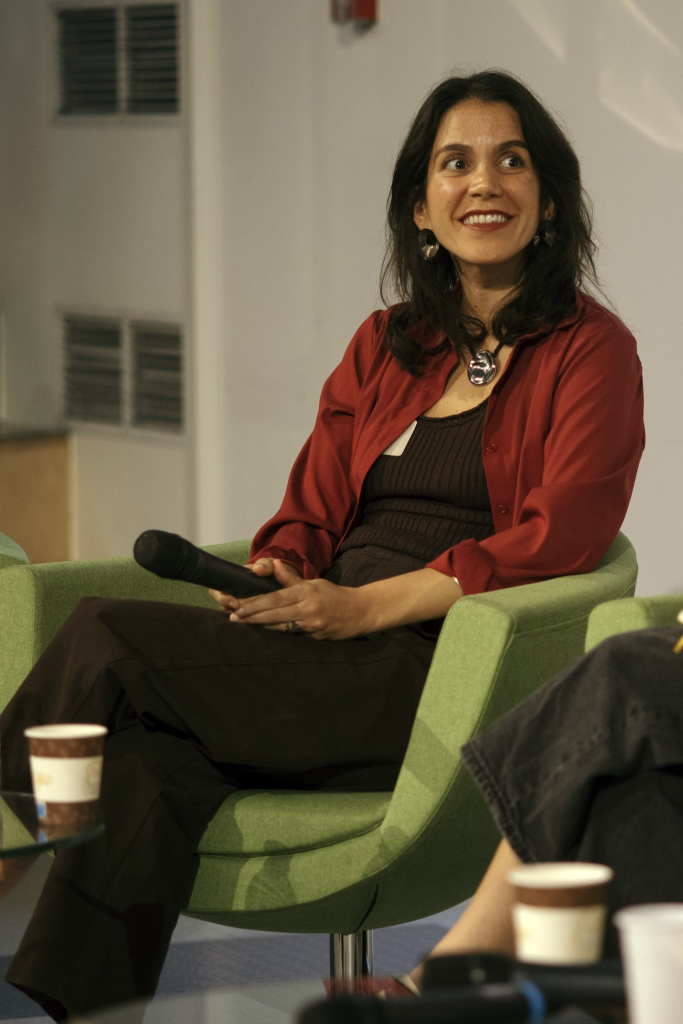
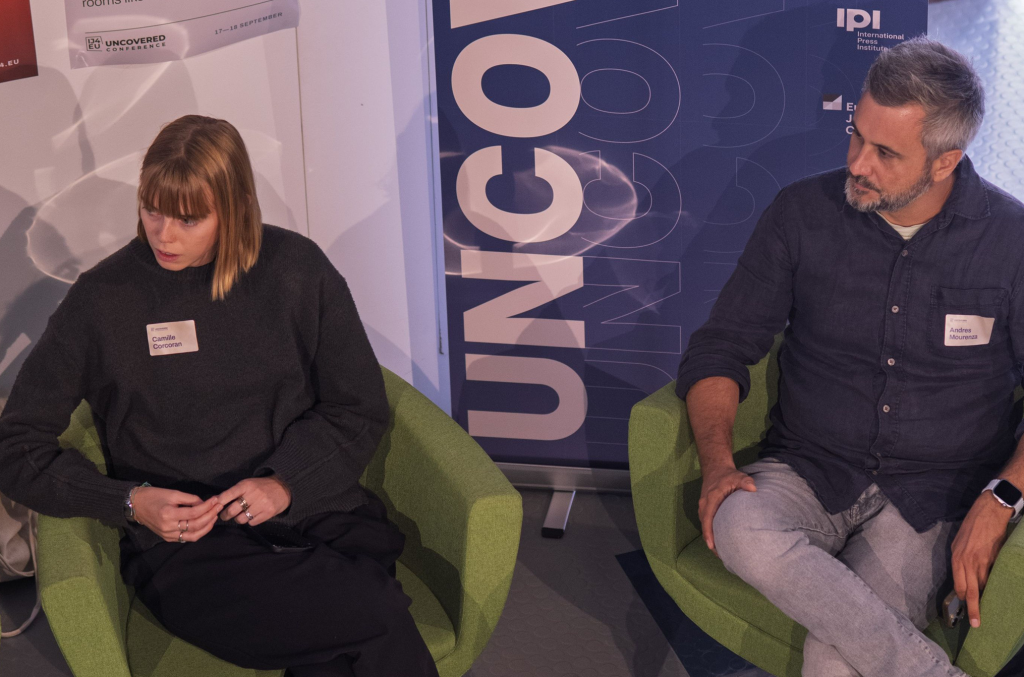
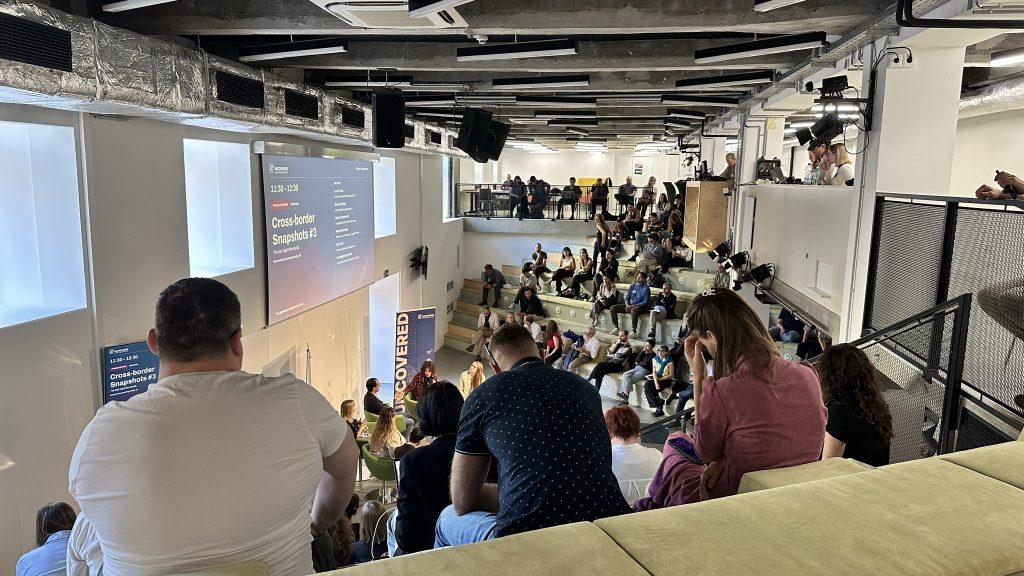
A favourite from last year’s UNCOVERED, Cross-Border Snapshots were back in 2026. Across three sessions, IJ4EU grantees took the stage for five minutes each to share one insight they gained through their investigations they found worth passing on: 17 projects in total, from Europe’s gas diversification deals harming the Global South to an ultra-Catholic movement shaping Europe’s anti-rights agenda, weaponised archaeology in occupied Crimea, and Curaçao’s offshore gambling industry. Fast, dense, and followed each time by a room full of questions.
Journalism that can pay its own way
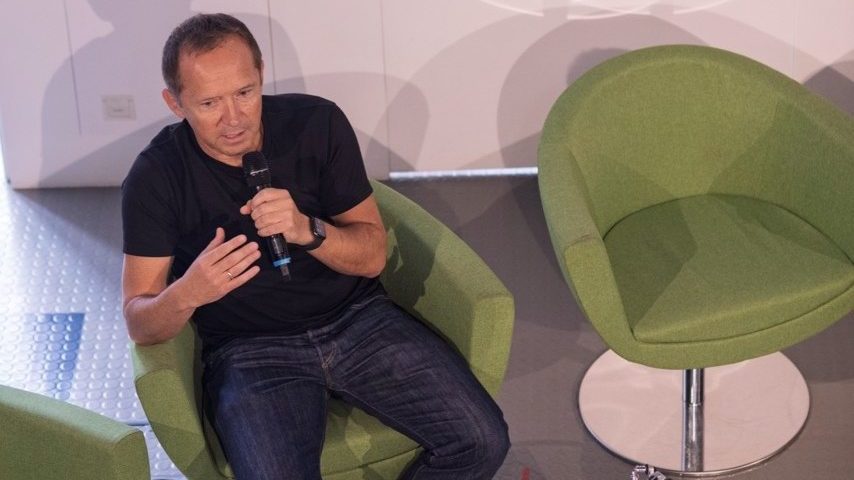
András Pethő, executive director and co-founder of Direkt36, made the case for reader-funded journalism, laying out the model, the mistakes and the numbers behind one of Hungary’s leading investigative outlets, which has a proud track record of holding power to account and largely pays its own way.
The next day, a workshop titled “Revenue Roadmap: Future-Proofing Your Media Business“, led by IPI’s innovations project manager, Manon Verchot, picked up right where Pethő left off, helping newsrooms map their own value proposition onto new revenue streams.
“Revenue Roadmap: A guidebook to diversifying revenue and editorial innovation” available here to dowload.
Making space for the human side
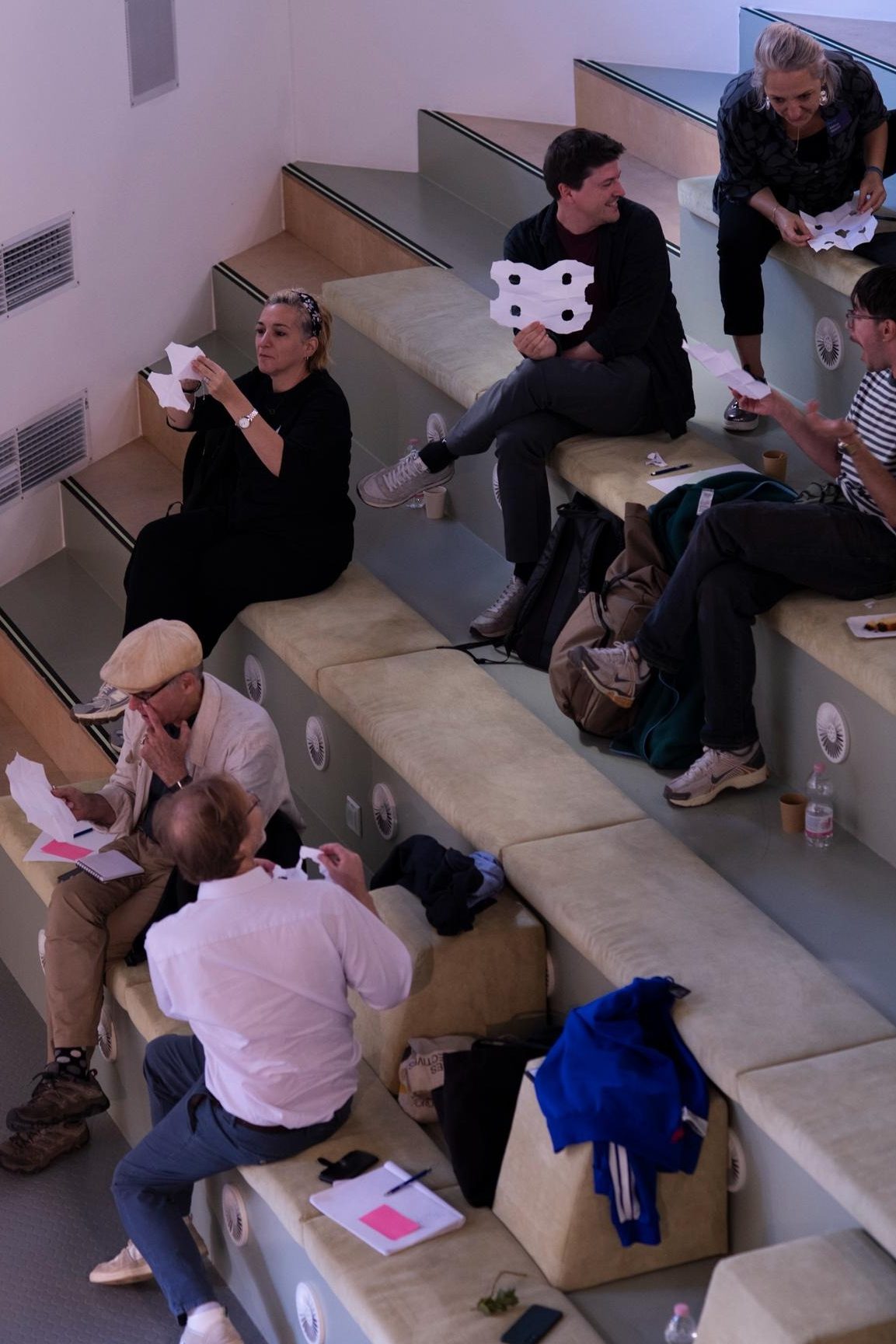

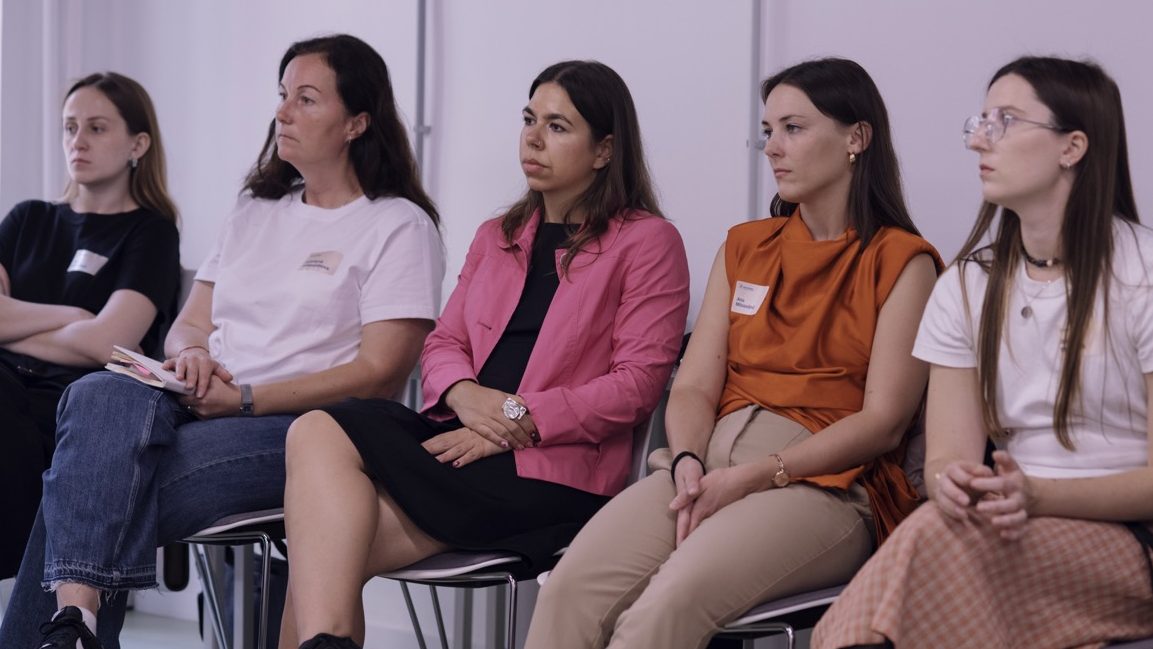
“What It Costs: An Open Table on Gender and Investigation” focused on the particular pressures women face in investigative journalism, from threats and burnout to barriers to sources and leadership.
Moderated by Olha Syrotiuk, programme coordinator at the European Centre for Press and Media Freedom, the session featured freelance investigative journalist and editor Anna Myroniuk; Olesia Bida, a journalist with the War Crimes Investigations Unit at The Kyiv Independent; and Svitlana Stetsenko, a journalist at Bihus.Info. The three Ukrainian journalists spoke about how those pressures have affected their own work and what has helped them keep going, before the discussion opened to the room for participants to share challenges, solutions and experiences of their own.
The session was organised by Women in Media (Ukraine) and ECPMF (Germany) and supported by the #CivilSocietyCooperation programme of the German Federal Foreign Office
A second workshop, “Conflict, Communication and Care”, looked at a different source of strain: the everyday tensions between colleagues that can quietly compound the stress of investigative work. Emma Thomasson, a journalist, media adviser, trainer and former Reuters bureau chief, explored how clashing communication styles can feed conflict and burnout, and offered practical ways to address tensions earlier and support colleagues more effectively.
Freelancers under the spotlight
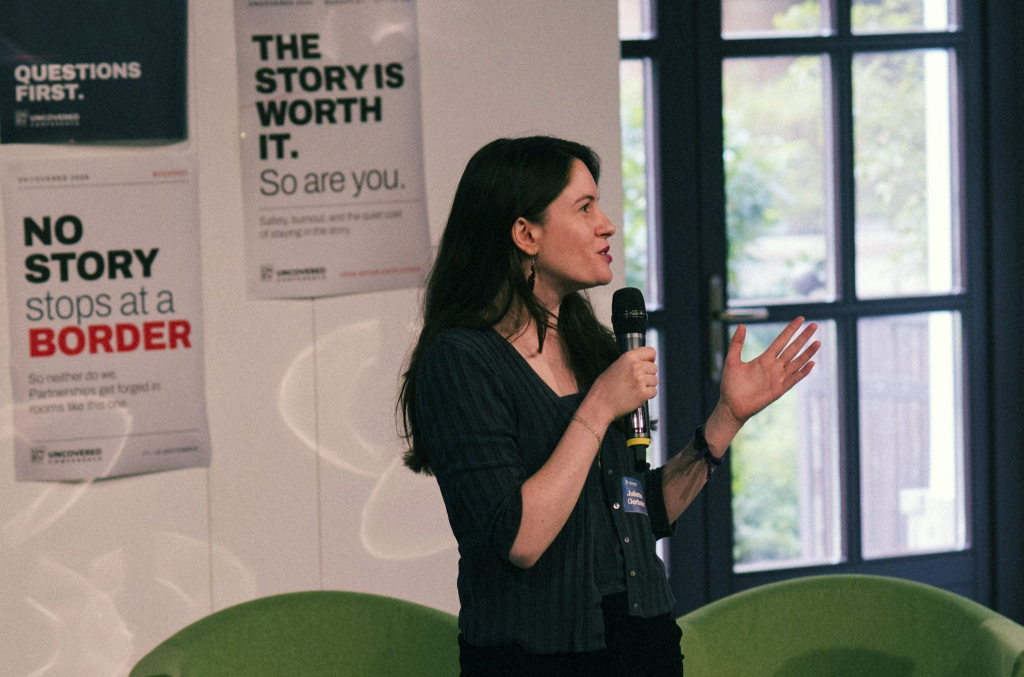
Two sessions this year kept the focus specifically on the realities of freelance life.
“The Freelancer Files” turned into a working clinic on the administrative side of freelance life: tax on EU grants, cross-border invoicing, income that arrives in lumps and then not at all. The workshop was led by Cora María Moyano Reymundo, finance manager at Arena for Journalism in Europe.
“The Uneven Split” took inspiration from a LinkedIn post by Andrei Petre and comments by Sofia Cherici, turning the lens on the uneven distribution of resources and workload within grant-funded collaborations themselves. Moderated by Juliette Gerbais, a project manager at the European Journalism Centre, the honest conversation proved self-reflective for a room full of grant recipients, and for IJ4EU too, as a fund whose own structures shape exactly these dynamics.
Twenty minutes with the right people
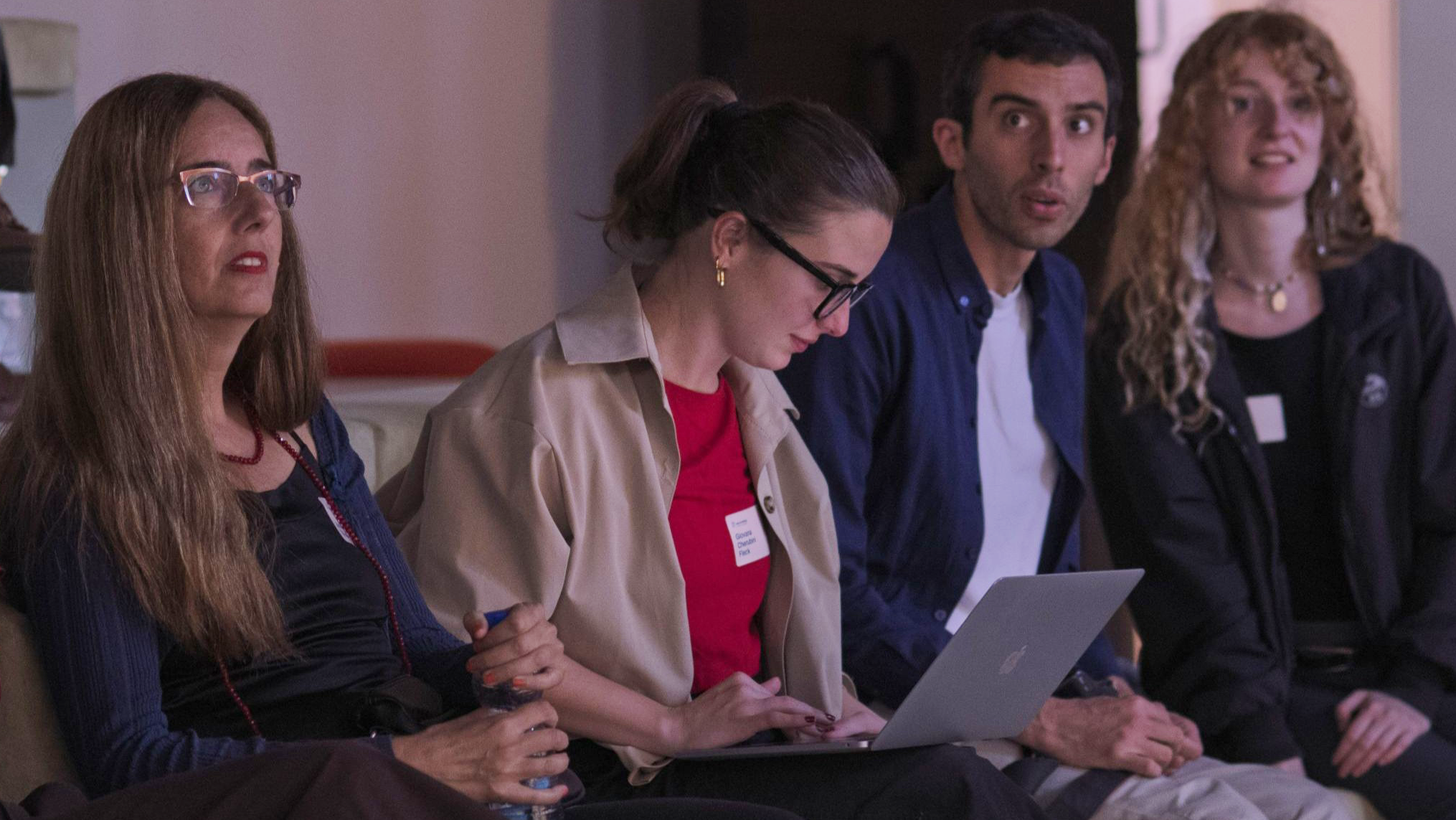
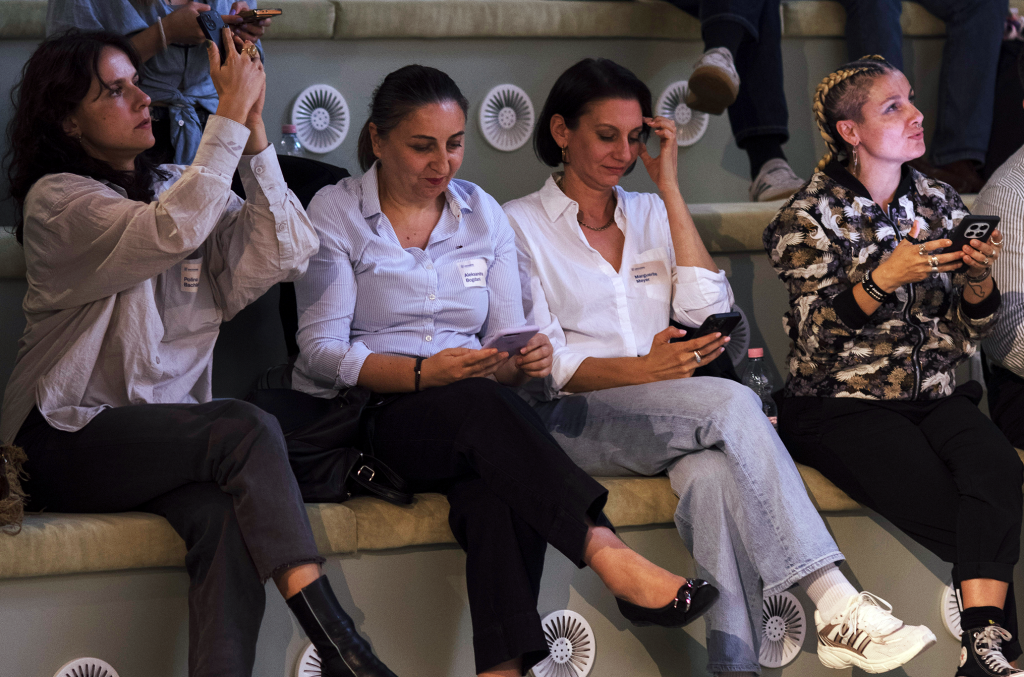
“Power chats” with experts from the field returned for nine rounds of one-on-one mentoring sessions. This year’s chats featured Arena’s Cora María Moyano Reymundo; Jelena Prtorić, a freelance journalist at Arena for Journalism in Europe; and Michael Anthony, co-founder of Vertical52. They covered everything from grant budgeting to satellite imagery for investigations.
A run, a quiz and a mic wide open
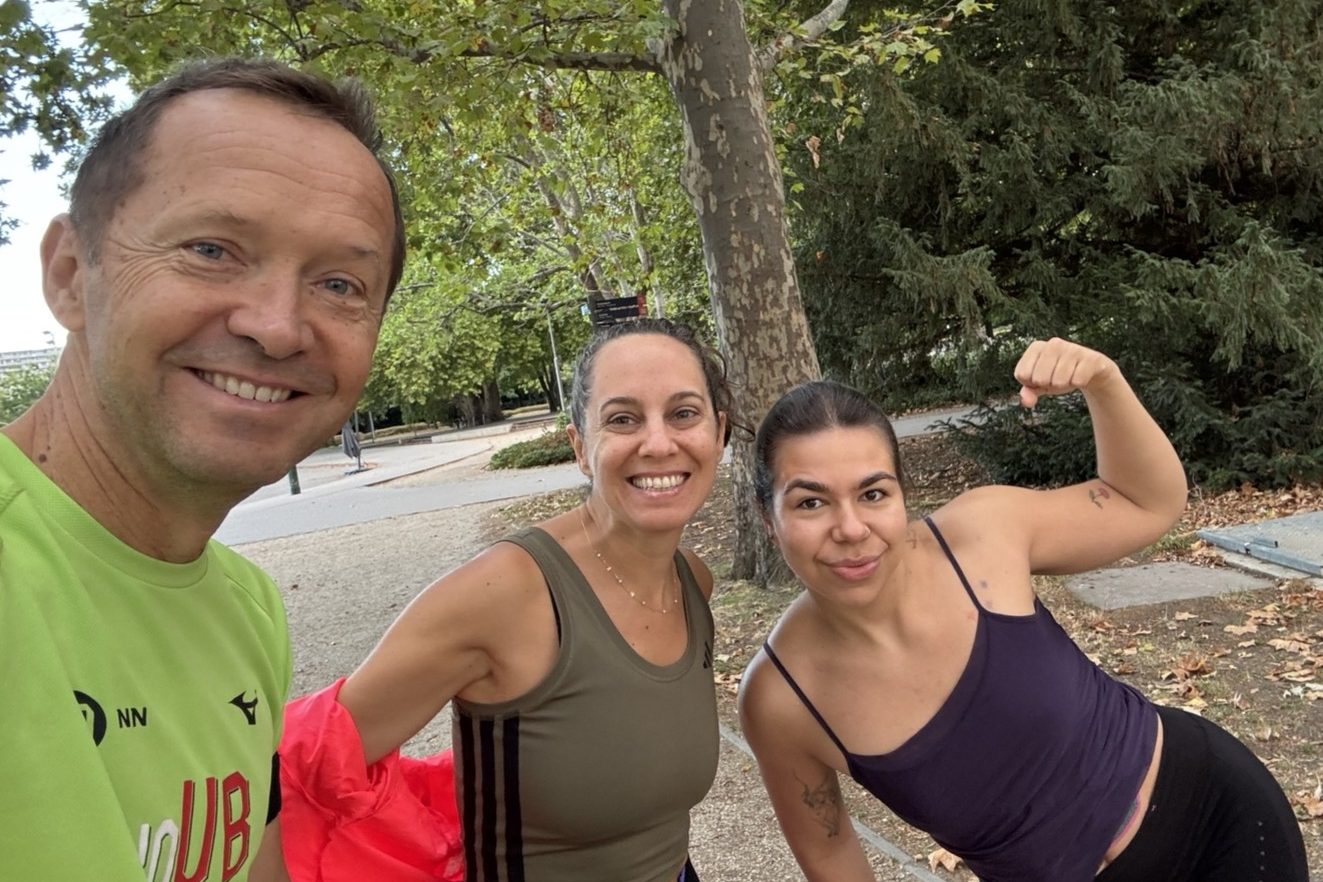
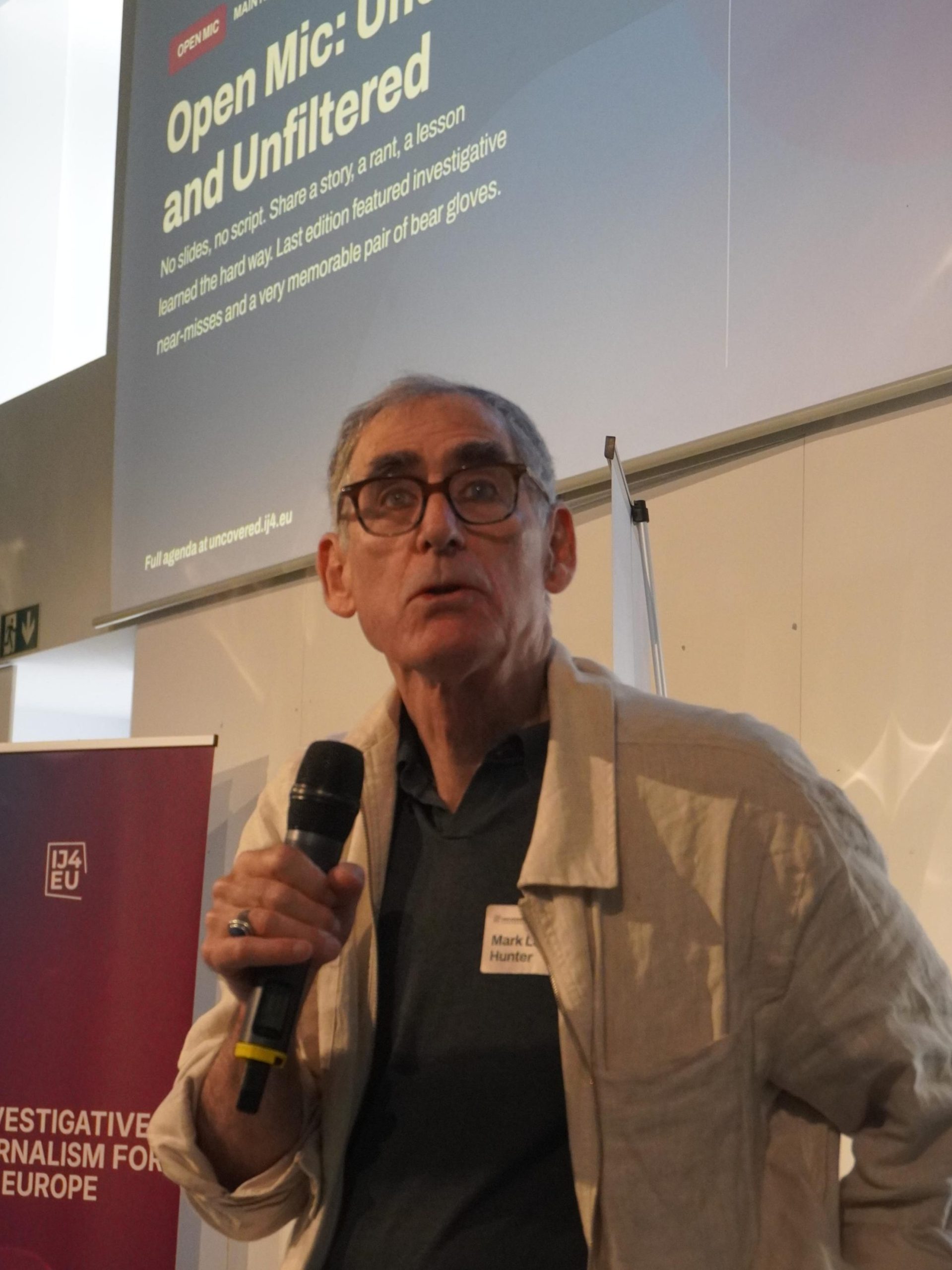
This year’s UNCOVERED began a new tradition that we hope will carry into future conferences: a sunrise run, in this case around Margit Island in the heart of Budapest., It was led by early birds András Pethő and IPI’s director of special projects, Gabriella Manuli, joined by a single determined participant.
And for the second time in a year, the UNCOVERED Quiz brought out everyone’s competitive streak, with bragging rights and a coveted t-shirt – “a very big prize” as quiz master Timothy Large made sure to underline – on the line.
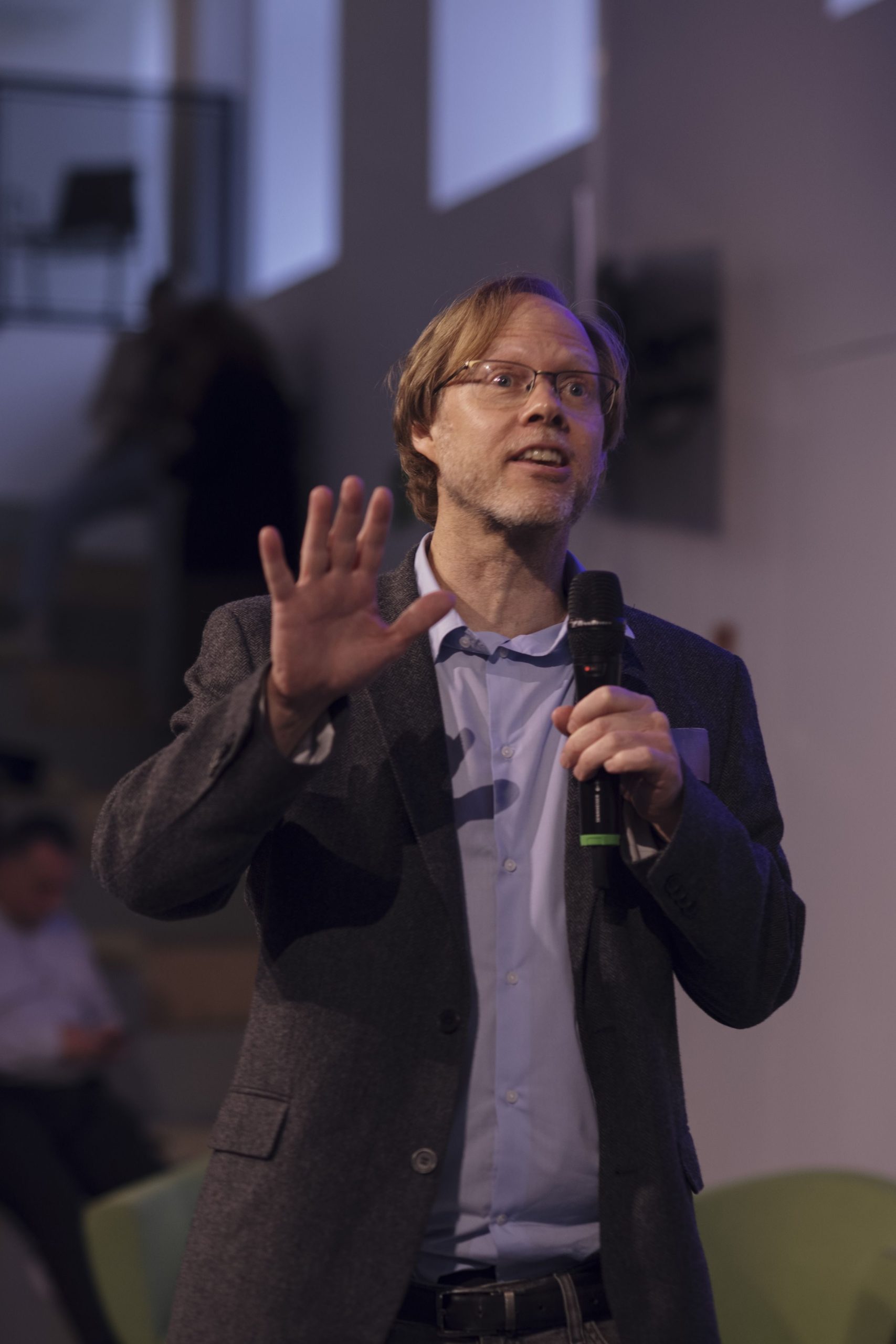
UNCOVERED’s Open Mic session once again proved unscripted best. Speakers shared what had long been on their minds, from fears about AI’s impact on the field to an impromptu job ad.
Standing together in solidarity
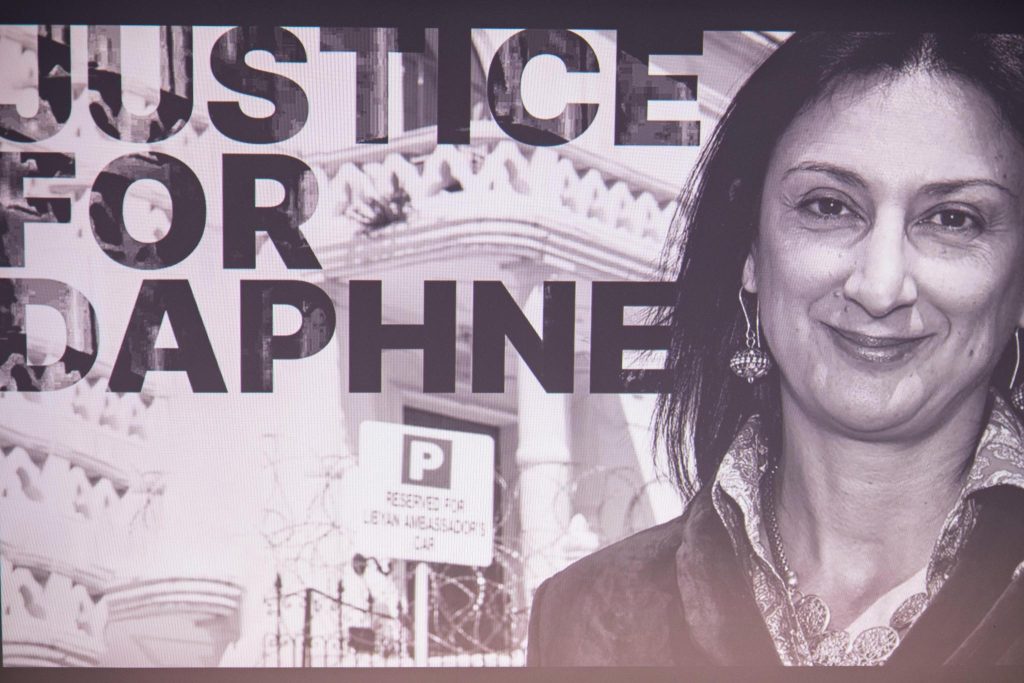
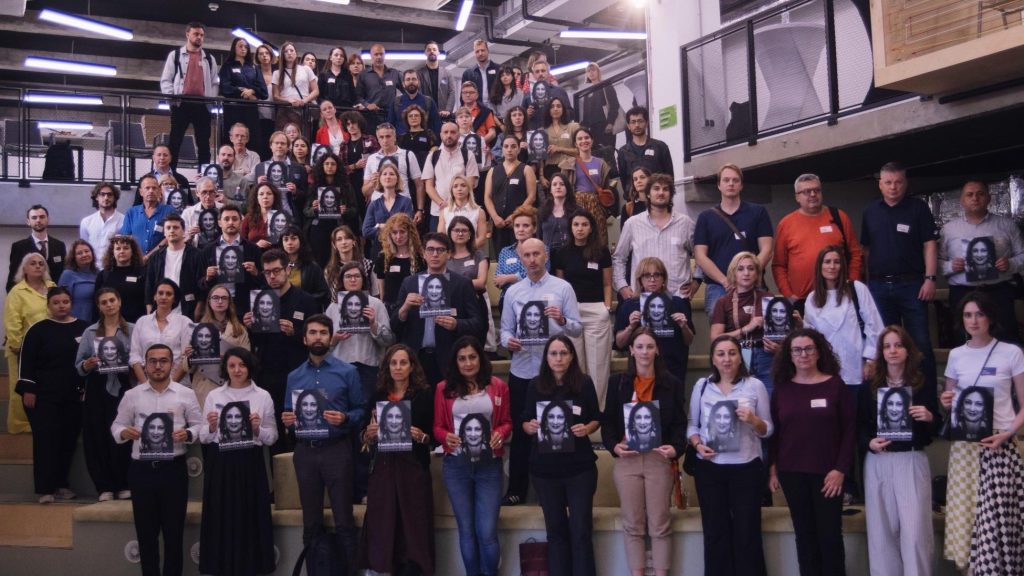
UNCOVERED paused for a moment of solidarity with Daphne Caruana Galizia, after a Maltese jury acquitted Yorgen Fenech of both charges in her 2017 murder, a devastating setback for press freedom. The participants made clear that an acquittal doesn’t close the case, and doesn’t erase the truth she worked to uncover.
That same spirit of solidarity carried into the Open Mic, where Media Freedom Rapid Response (MFRR) coordinator Elena Rodina called for support for Massimo Moratti, an MFRR researcher currently facing an expulsion order from Serbian authorities, a reminder that the threats this community reports on rarely stay confined to the stories themselves.
A celebration of impactful cross-border collaboration
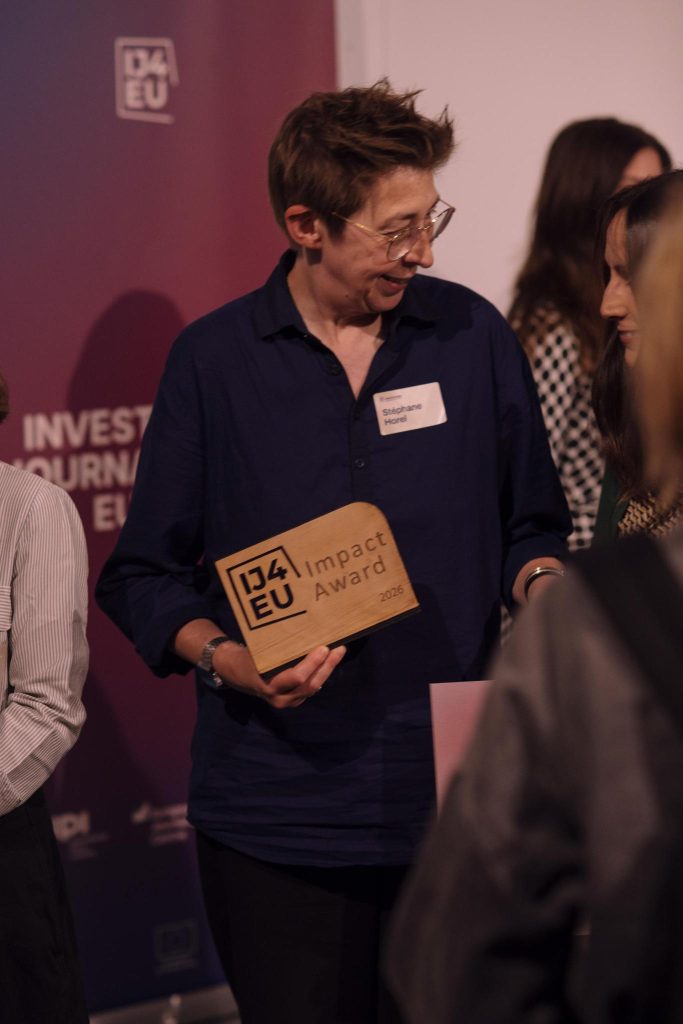
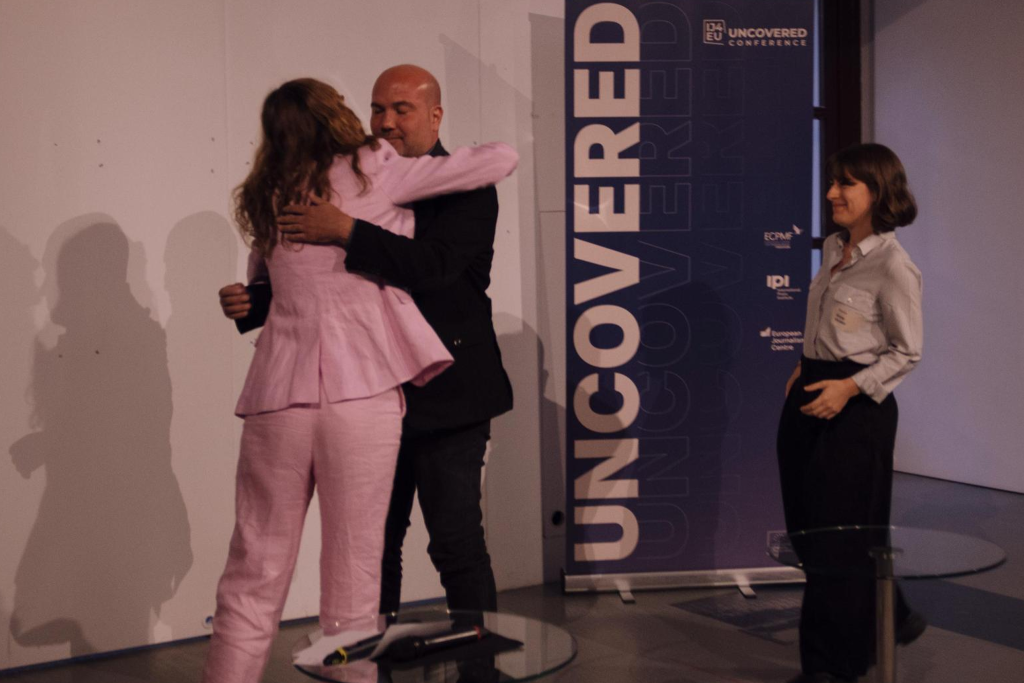
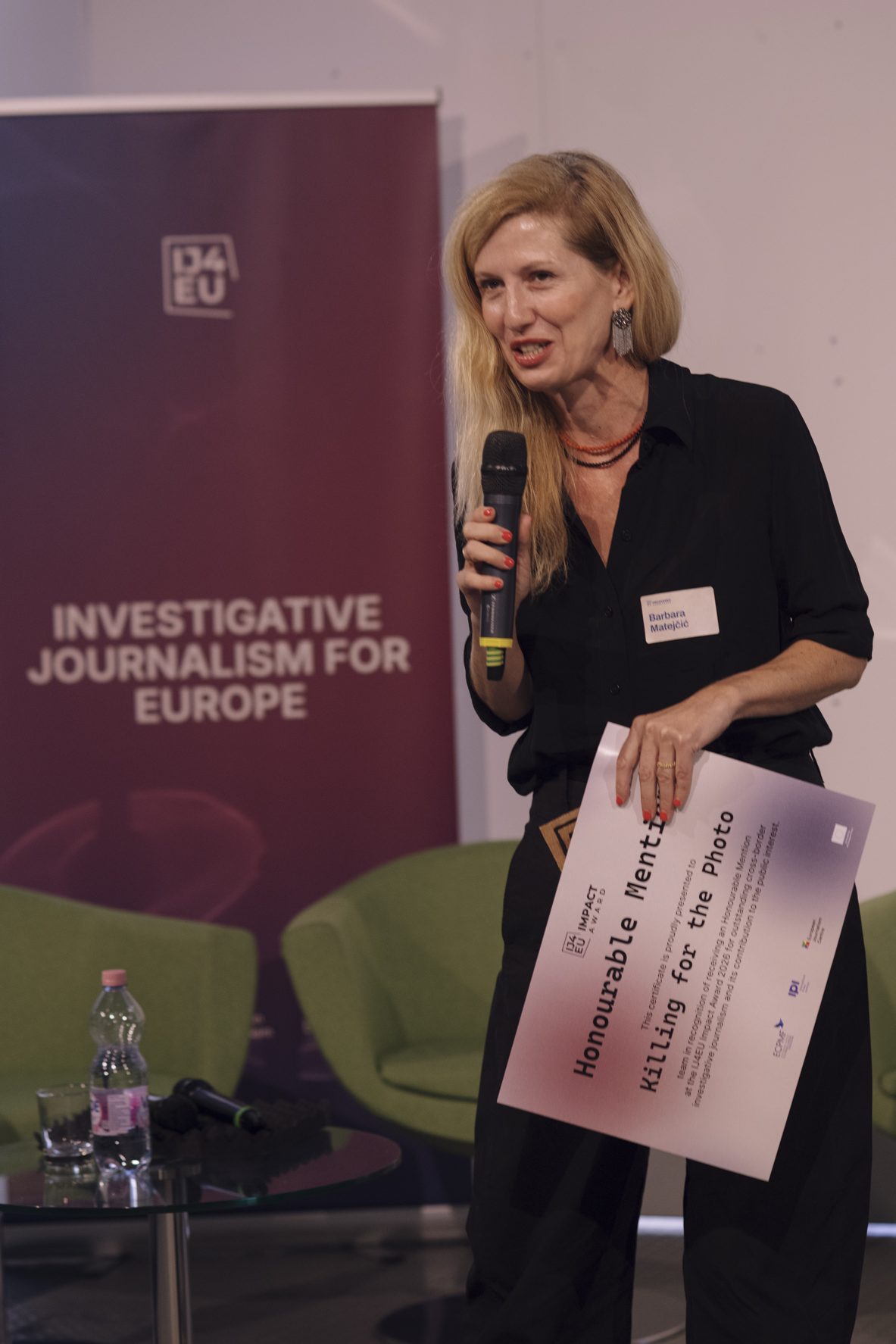
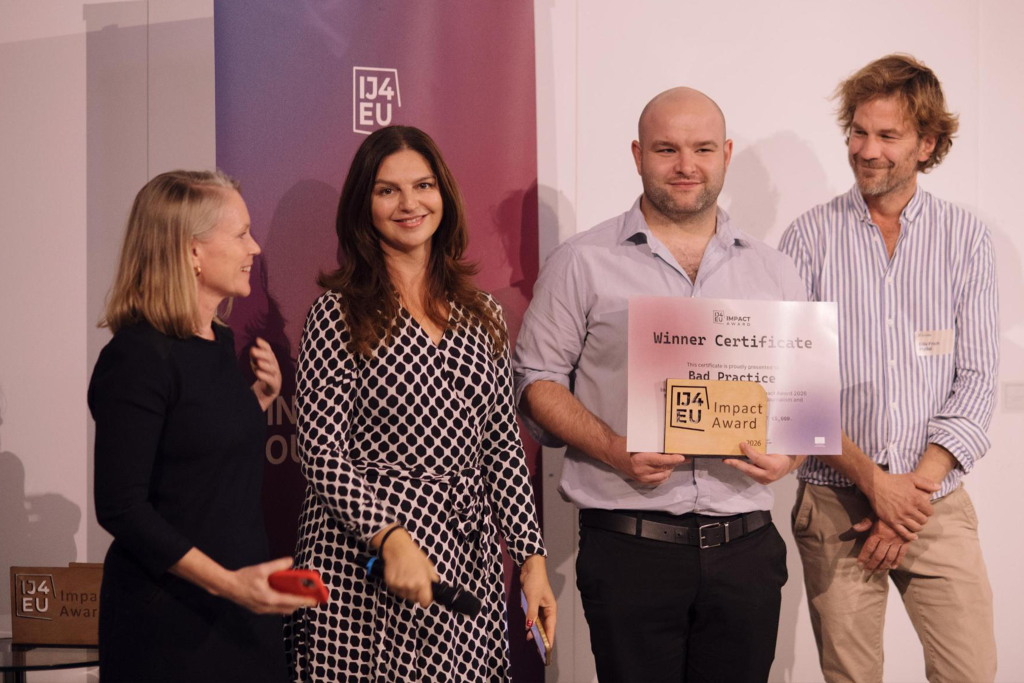
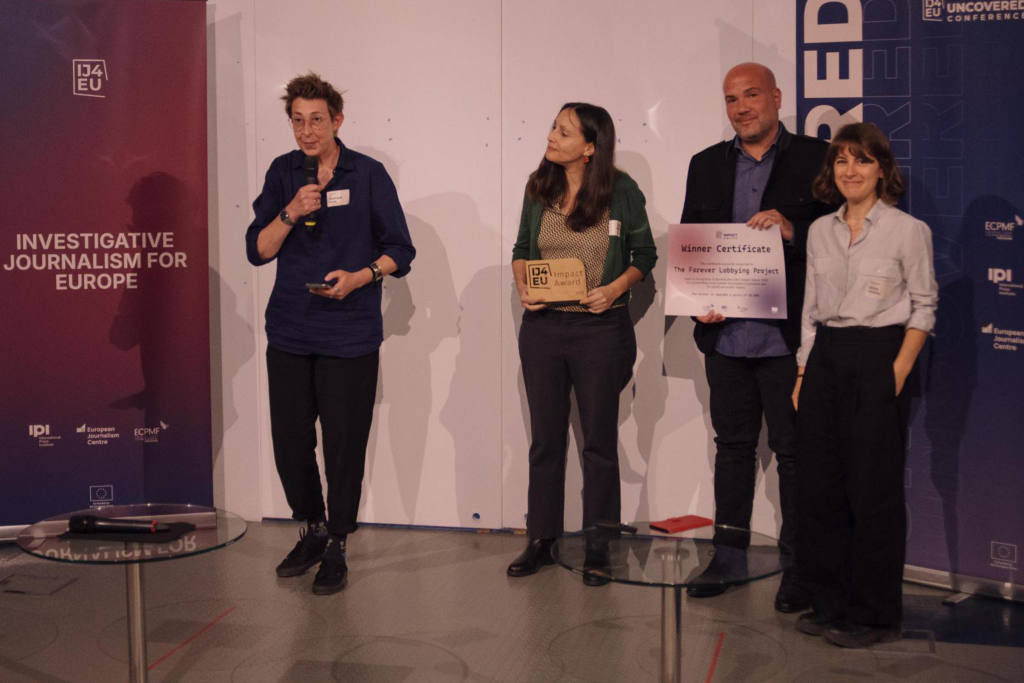
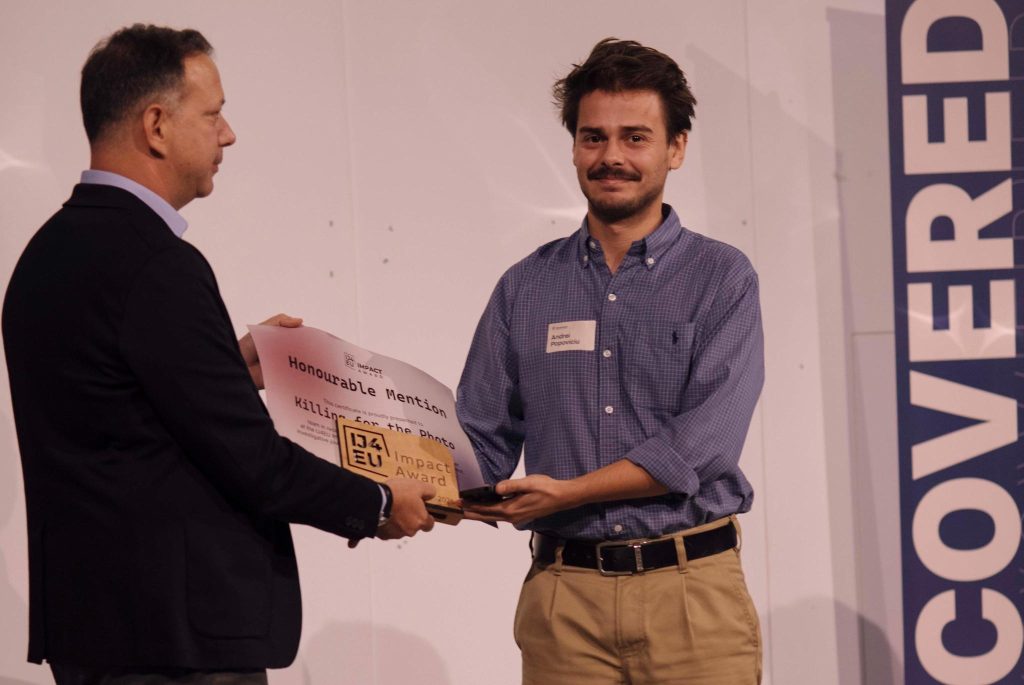
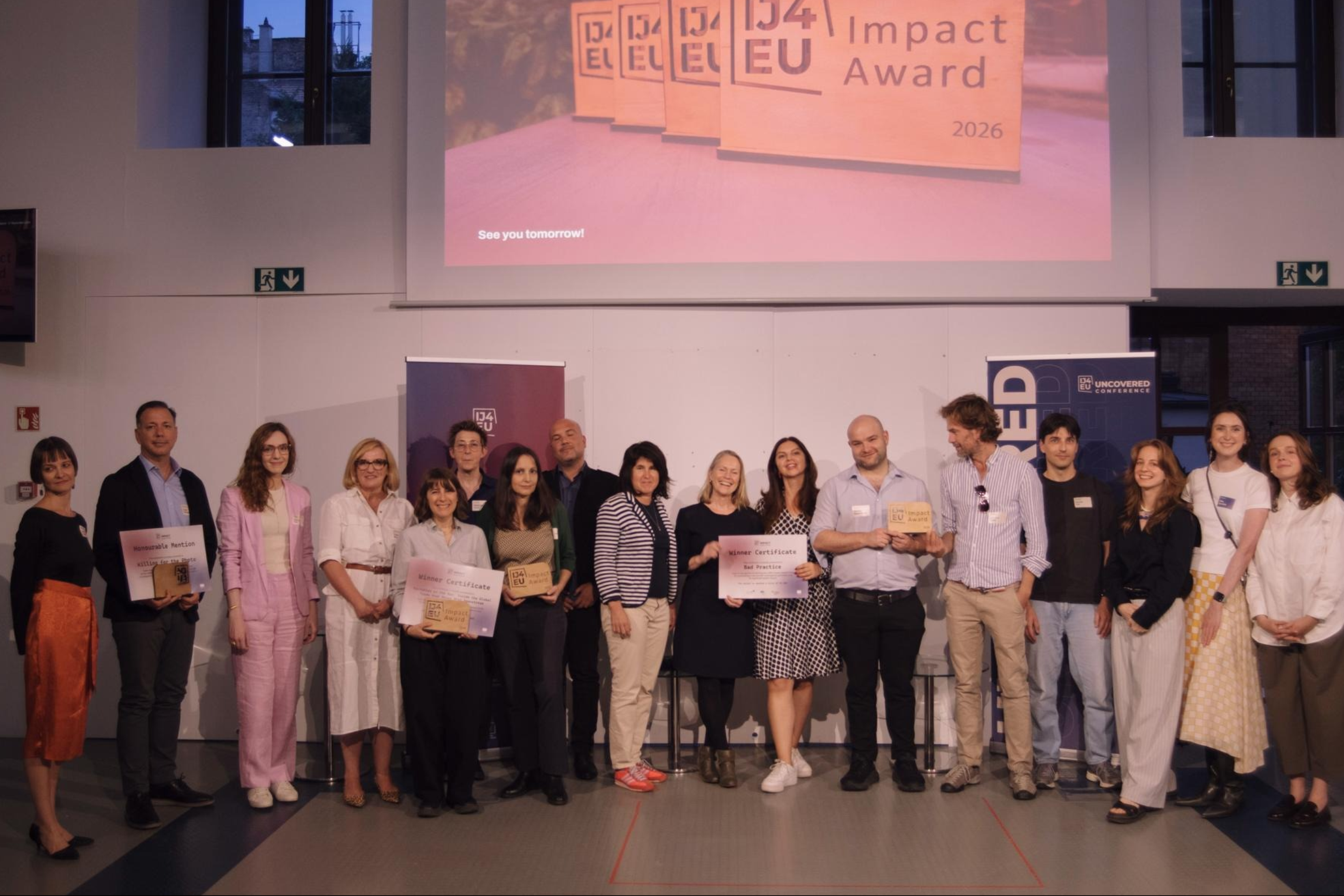
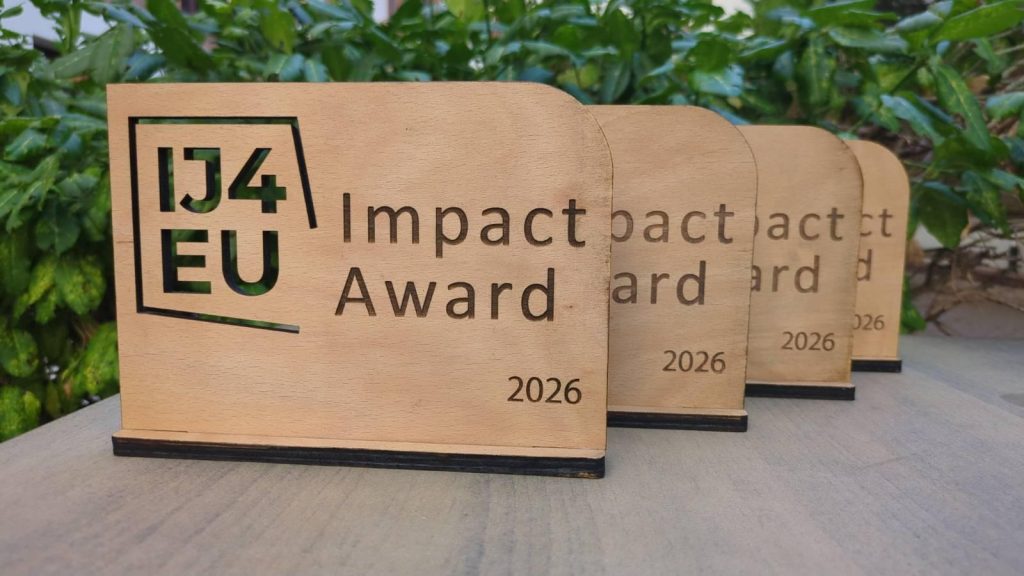
As always, a highlight of UNCOVERED was the IJ4EU Impact Award ceremony, honouring three inspirational cross-border investigations chosen from a record number of entries spanning more than 60 countries (see the shortlist).
In alphabetical order, the three equal winners were:
- Bad Practice, by a consortium of 50 media outlets led by OCCRP, VG and The Times.
- Factories on the Run: Inside the Global Trade that Moves PFAS Downstream, by Gianluca Liva, Marta Frigerio, Anna Violato, Filippo Tommasoli, Thomas Goorden and Varrun Sukhraj.
- The Forever Lobbying Project, by a consortium of European media partners coordinated by Le Monde.
The jury also singled out Killing for the Photo, by Barbara Matejčić in collaboration with Natalija Jovanović and Ruben Brugnera, for special recognition.
“Sometimes journalism exposes a failure that institutions can no longer ignore,” jury chair Leila Bičakčić, co-founder and executive director of the Center for Investigative Reporting in Sarajevo, said. “Sometimes it gives citizens evidence they did not previously have. And sometimes its impact lies in creating a public record — in making it impossible, later, for those in power to say: we did not know.”
Your next read
Catch up on the conversations, photos, insights and award-winning journalism.
- IJ4EU Impact Award 2026 winners
- Beyond publication: How watchdog journalism makes a difference
- Why journalism grants can put freelancers at a disadvantage
- Workshop: Why investigative teams fall into conflict
- Workshop: How to sustain journalism that rarely pays for itself
- In pictures: UNCOVERED 2026 photo gallery